Still today, weak login codes open doors hackers walk through. When people pick easy-to-guess words or repeat them across sites, danger grows quietly. Mistakes in how accounts are handled often lead straight to data leaks. That is why staying safe online depends just as much on what users do as the tools they use.
Years gone by brought new ways to lock down online accounts. Tools that handle logins got smarter. Some companies push staff and clients to pay closer attention. Stronger checks at entry points are more common now. Ways to guard profiles keep shifting underfoot.
Across the world, hackers target companies, schools, hospitals, banks, yet also everyday people logging into apps. Knowing how passwords work makes it harder for break-ins, while helping others stay protected online. Who faces these threats comes next, followed by why staying safe gets tougher, then what new methods are changing login safety right now.
People touched by the situation plus the issues they face when dealing with it
Most people touching digital tools face risks without even realizing it. When logging into private profiles or company networks, small choices can shift outcomes dramatically. Stronger passwords often come down to how details are handled behind the scenes. Even a minor slip may open doors better kept shut. Handling data carefully isn’t just routine - it shapes safety more than expected.
From hospitals guarding patient files to banks verifying user logins, safety shapes how groups run. Schools balance access for teachers while keeping student details private across platforms. Companies guard messages between teams just like they shield client histories from leaks. Trust grows when money apps confirm who logs in before allowing payments.
Most breaches start where passwords are flimsy or repeated across sites. Hackers look for gaps like shared logins or accounts left wide open. Strong habits - built through clear knowledge - slow them down. Learning better ways to protect login details makes break-ins less likely.
Starting off differently each time helps avoid predictability. Juggling logins on different sites trips up quite a few folks. When passwords are too similar, slipping into one account opens others wide. Trouble begins once hackers land on just a single weak spot. One broken entry can ripple through many profiles.
Most people pick passwords too easy to guess. Yet others pass login details around like notes in class. Notifications pop up - many just ignore them anyway. Extra login steps? Often left unused, sitting idle. Workers bring their own phones or laptops into work life. Rules exist, but not everyone sticks to them then.
Starting with better habits online, people begin locking down accounts tighter than before. Because of this shift, weak passwords fade out while stronger shields go up around data. One result? Fewer openings for hackers to slip through unnoticed. As these steps spread, safety grows not just at work but also at home. Across borders and job types, digital spaces slowly turn less inviting to threats.
Recent updates and industry trends
Last twelve months brought sharper attention to guarding digital identities within cyber safety lessons. Across countries, companies stepped up teaching efforts so people notice login threats more easily. Better ways of handling passwords became a bigger part of those sessions. Training now often includes spotting when someone might steal your access. Some workplaces even changed how they introduce new staff to these rules.
These days, more companies are turning to multi-factor login checks because they want safer accounts. Instead of just one password, extra steps help keep things locked down tight. At the same time, tools that store passwords are catching on fast. They make it easier to handle long, tricky codes without writing them down. With so many sites needing logins, people find these helpers useful. Security habits are shifting slowly but surely.
From Tokyo to Toronto, companies now lean on machines to guard digital doors. When someone tries logging in at odd hours, alarms go off without human eyes watching. Odd patterns? Systems catch those too - silent watchers spotting what people might miss. Alerts pop up fast, cutting down delays that once left gaps wide open. Security grows tougher, yet fewer staff must stare at screens all day.
Now showing up in both business tools and everyday apps, smarter ways to confirm identity keep arriving. Instead of just passwords, systems watch behavior patterns to decide trust levels. Fingerprint scans or face checks replace old methods, quietly working behind the scenes. Some logins adjust demands based on location, device, or time of day. Security tightens only when something seems off - otherwise stays light. Effort drops for users while protection climbs without notice.
Still adapting, cloud defenses shift as new risks appear. On devices, safeguards grow smarter because scams spread faster now. Identity checks tighten when logins get risky. Awareness jumps after fake emails trick too many people. Safer habits form slowly once breaches make headlines. Protection improves not by luck but routine updates and alertness.
Worldwide, safeguarding people and groups online grows more vital as digital spaces stretch further into everyday life. Systems linked across networks need steady attention so risks lose their edge.
Password and account security comparison
Security changes depending on how accounts are protected. Some ways make things safer but harder to handle. Others balance ease and control differently. Each method handles passwords in its own way. Ways people manage access differ in effort and strength. This look covers usual choices for keeping accounts safe.
Basic Passwords Strong Passwords Password Managers Multi Factor Authentication Security Level Low High High Very High Automation Minimal Minimal High Moderate Scalability Limited Moderate High High Maintenance Effort Low Moderate Low Moderate Flexibility High High High Moderate Login Speed Fast Moderate Fast Moderate Reliability Moderate High High Very High Credential Storage Manual Manual Encrypted Combined Protection Implementation Complexity Low Low Moderate Moderate Integration Capability Limited Limited High High
Most of the time, tougher security means safer systems - though it often comes with extra steps and demands more attention from users. When handling many logins, tools like password vaults work well alongside second-step verifications. These layers together make breaking in much harder.
Security plans usually mix different methods to build stronger defenses. Using tough passwords along with tools that store them safely helps guard accounts better. Adding extra verification steps makes it harder for unauthorized access to happen. Layered measures like these lower the chance of cyber threats succeeding.
Regulations and practical guidance
Starting off differently, protecting who you are online stands out in global cyber rules. Secure ways to prove your identity matter just as much. Instead of rushing ahead, some groups match their safety plans with known international models. These approaches support handling risks carefully while guarding information. Account oversight also plays a quiet but steady role across systems.
Most people expect strong logins made just for one user. Guarding login details keeps strangers out of accounts. Checking logs now and then helps spot odd behavior early. Using solid verification steps adds another layer of safety. Rules around here often spell out how long a password must be. These guidelines also explain who gets in and when.
Security checks usually start by setting up proper login barriers, keeping an eye on sign-in attempts, also recording how protections are managed. Rules in certain areas or fields might require proof that sensible steps guard online identities. What matters most is showing consistent effort. Steps taken should reflect real-world risks without assuming breaches will happen. Oversight comes down to routine review plus clear records of what was done.
Out in the open, green thinking shapes how teams handle digital defenses these days. Machines that watch networks day by night cut down cluttered human chores, yet sharpen alertness and smooth daily work - slipping less through the cracks.
Industry best practices include:
- Using unique passwords for each account
- Enabling multi-factor authentication where available
- Every so often, take a look at who can access what in your accounts
- Monitoring unusual login activity
- Updating security settings periodically
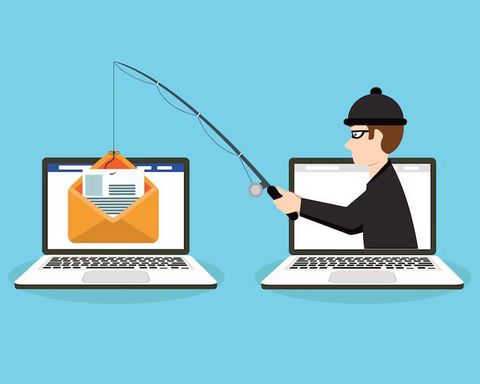
- Educating users about phishing risks
- Using trusted password management tools
What works where?
Small operations:
A single strong password, when paired with extra login steps, usually keeps things safe without complicating daily use. Sometimes simplicity works best if you add just one more layer at sign-in.
Large-scale systems:
Security stays strong when different tools work together behind the scenes. One system handles logins for many apps at once. Alerts pop up automatically if something seems off. Each piece connects without needing constant oversight.
Beginners:
One way to handle logins is through tools that store them safely, making it easier to pick tougher codes while keeping things straightforward. These helpers cut down on memorizing stress yet support better security habits behind the scenes.
Skilled workers alongside expanding businesses
One way to boost safety is through stronger login checks, while machines handling threats on their own add another layer. Account rules that cover every angle tend to grow smoothly when demands increase.
Tools and resources
Several tools and resources can support safer password and account management practices:
- One thing these apps do is help make tough passwords. They keep them safe afterward too. Another feature lets you sort everything neatly. Their main job centers on security throughout the process. Handling login details becomes easier without shortcuts.
- Identity Management Systems - Centralize authentication and account administration.
- Multi-Factor Authentication Platforms - Add additional verification layers beyond passwords.
- Start here: people learn what online threats look like through practice. One way is regular training that shows real examples. These sessions help spot risky behavior before it causes harm. Instead of just rules, they show how small choices matter. Over time, habits shift without feeling forced. Learning sticks when it feels personal. The goal? Fewer mistakes, more awareness every day.
- Watch account actions closely. Spot odd logins through careful observation. Notice strange patterns when users access systems differently than normal. See shifts in timing or location as warnings appear slowly. Catch mismatches in how accounts get used day after day.
- Password Strength Calculators - Evaluate password complexity and security quality.
- Security Policy Templates - Assist organizations in establishing account management guidelines.
Frequently asked questions
What is cybersecurity awareness?
Knowing about online safety means being aware of dangers in digital spaces while acting to guard your gadgets, logins, and personal data. Because people spot typical scams, they choose strong passwords - this shapes smarter internet behavior. When training works well, individuals begin choosing actions that quietly strengthen their digital world. A steady mindset around these choices keeps risks lower without drawing attention.
Why are strong passwords important?
Most break-ins start with weak login details. A mix of letters, numbers, symbols slows guessing down. Uncommon phrases beat common words every time. Using birthdays or pet names invites trouble. Extra steps like codes from phones boost protection hard. Tough logins alone won’t stop all attacks. Still, they form a needed base layer. Security works better when pieces stack up quietly.
What is the difference between a password manager and multi-factor authentication?
One way to keep passwords safe is using a tool that builds and holds them tightly. Login gets tougher for intruders when extra checks pop up beyond just the password. Though each method does its own job well, pairing them brings stronger shields overall. Protection grows deeper when layers like these link without gaps.
Are password managers safe to use?
Most tools built to store login details use locks made of code, keeping info hidden from outsiders. How well they work often ties back to how carefully someone sets them up, picks their main passcode, and behaves while using it. For plenty of people, these helpers make life easier by handling different keys for dozens of sites - no need to remember each one.
What future trends may influence account security?
Biometrics might soon become standard, shaping how we log in without typing anything. Instead of old methods, systems could adjust who gets in based on behavior patterns noticed in real time. Smarter software may catch strange activity before damage happens, working quietly behind the scenes. Logging in could happen through identity checks built into devices, removing passwords altogether. Each step forward tries to make protection feel lighter, even as threats grow more complex. Effort shifts toward staying safe without slowing people down.
Conclusion
Staying alert about cybersecurity helps guard your online profiles. Not just strong passwords matter - how you handle logins plays a role too. Security grows when extra verification steps are part of access. Learning what threats look like changes how people respond online. More apps and websites mean more chances for things to go wrong. Both single users and big teams need to grasp basic protections. One weak spot can unravel layers of effort. Awareness isn’t magic - it’s routine attention that counts. Every login is a moment where caution applies. The way we interact digitally keeps shifting - and so must habits.
Security works best when real steps meet constant attention. Not just strong passwords but smarter ways to confirm who you are matter too. Watching how accounts get used helps catch problems early sometimes. Learning what new risks appear keeps people one step ahead often. Rules around access make safety clearer inside companies somehow. Teaching teams regularly shapes better habits over time maybe. Using up to date tools for managing identities adds another layer quietly.
Tomorrow’s online safety moves forward as tools improve, while risks shift shape. Because machines handle more tasks, fingerprints or face scans might guard logins instead of passwords. When threats grow smarter, so must the ways people lock down their data. Even with new tech, simple choices like strong codes still matter most.