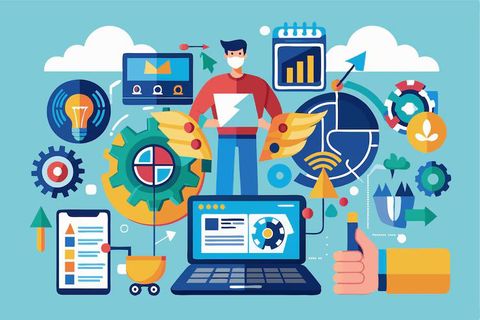
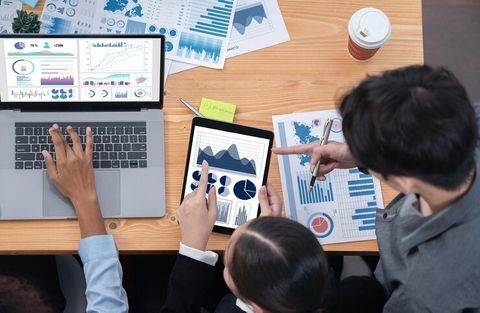
When companies rely more on digital tools, tracking performance helps teams stay aligned. Instead of working in silos, departments now share insights through unified views of daily activities. With everything linked - analytics meeting automation, reports flowing into cloud apps - information moves faster. Leaders find it easier to understand what is happening, simply because updates appear in one place. Responses adjust quicker when conditions shift, thanks to live access across functions.
These days, dashboards do more than just show basic reports. Thanks to smarter tools built in, they can forecast trends while tracking data live. Automation helps them keep up without constant input from users. In schools, hospitals, factories, banks, shipping firms, and tech teams, their role keeps growing. Smarter functions mean they fit better into daily work routines. Progress in design lets them handle complex tasks quietly behind the scenes.
Everywhere, teams keep searching for better methods to handle tougher tasks - this shapes how they boost clarity and long-term thinking. Seeing what dashboards actually do gives newcomers and veterans alike clearer insight into daily choices. Who gains most from them comes up next, along with where the field is heading, followed by real-world factors worth weighing carefully.
Who it affects and what problems it solves
Across the world, folks who handle projects lean on productivity dashboards just as much as those running day-to-day operations. Executives check them alongside analysts trying to spot trends in messy data piles. Teachers find ways to track progress, while advisors use similar views during client talks. Tech workers tweak settings; meanwhile small shops skip heavy paperwork thanks to these visual layouts. Bigger companies, though loaded with resources, still depend on smart analysis engines - watching department after department breathe through shifting numbers.
What trips up many teams? Scattered data. Information sits in spreadsheets here, chat apps there, tucked inside cloud programs, finance platforms, even task trackers. Dashboards pull those pieces together - showing everything in one place instead of ten. Seeing it all changes how work moves forward. Less time hunting. More time doing.
Picture mismatched reports piling up across desks. When dashboards stay scattered, each group might track results their own way - different numbers, odd time frames, uneven styles. That mess makes it hard to know what’s real. Clearer paths open when everyone pulls from the same system. Shared tools bring teams into step without forcing awkward meetings.
Still, plenty of companies face hiccups in daily operations. Spotting slowdowns in workflows tends to trip up leaders - especially when trying to catch issues like lagging output or clashing timelines on the fly. Dashboards built for tracking work patterns help by sending automatic warnings, offering analysis features, along with constant updates on how teams are performing.
Starting out, plenty of new users build complicated dashboards before knowing what they actually want to track. Instead of clarity, some depend entirely on auto-generated reports - skipping checks for correct data or upkeep needs. A good setup happens when tools stay simple, adapt over time, match real workflows, plus run smoothly without constant fixes.
When computers change how companies work, dashboards that show performance often become key. These screens help teams plan because they make data clear. Reports grow more accurate since numbers appear in one place. People across departments see progress when information flows openly.
Recent updates and industry trends
Lately, tools for tracking work progress got smarter through tech upgrades. Across the world, companies now use online report platforms that help people cooperate from different locations. One big plus: everyone can view shared info on any device they own. With these changes, updates stay uniform even when pulled from separate machines. What stands out is how smoothly team members pull up live performance details anytime needed.
Dashboard tools are starting to handle more routine jobs without human help. Because of smart updates, they can send out reports at set times. When numbers hit certain levels, alerts go straight to teams. These changes mean fewer hours spent on paperwork. Efficiency gets a quiet boost behind the scenes.
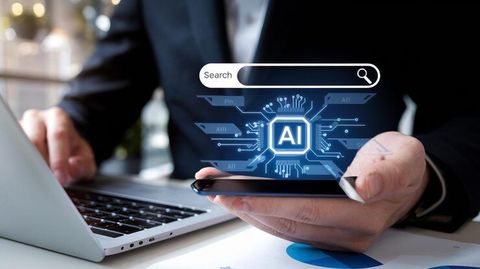
Now showing up in productivity tools, artificial intelligence shapes how data is reviewed. Dashboards lately offer forecasts, spot odd shifts, suggest patterns, plus break down results using plain descriptions. Instead of sorting numbers by hand, teams gain quicker clarity on what matters. This shift sharpens decisions without slowing things down.
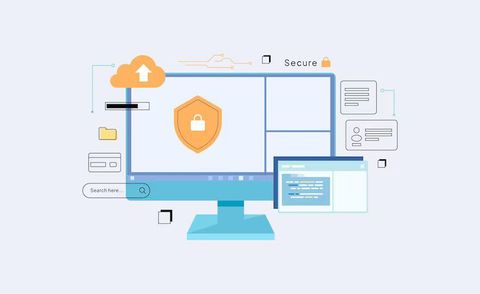
What counts as secure keeps shifting. Around the world, companies lean toward dashboards that lock down access better, stash data in encrypted clouds, handle who can do what, while leaving clear trails of activity. With data spread getting messier, staying open about operations and guarding info still matter just as much.
One big shift centers on how well different tools work together now. These days, dashboards link up smoothly - not just with project planners but also ERP setups, customer data trackers, bots that handle tasks, along with team chat apps. Thanks to these links, getting things done flows better - especially as companies get bigger over time.
Comparison of productivity dashboard approaches
One way to build a dashboard might value clear reports above all else. Yet another could care more about how well it connects with other tools. Simplicity in display may lead one system, whereas speed at scaling shapes another. Automation features sometimes take center stage instead of number crunching depth. Flexibility often matters when linking pieces together across platforms.
Speed of reports sits around moderate with basic dashboards, while advanced ones deliver faster results. Where automation is minimal in simpler tools, complex systems offer deep, built-in workflows. Small teams find enough room to grow with entry-level setups; larger groups gain more headroom using expanded platforms. Connections between software stay narrow on basic versions but open widely with high-end models. Visuals tend toward standard chart types at lower tiers, yet evolve into dynamic, clickable displays when upgraded. Keeping things running takes less effort initially, though heavier solutions demand sharper oversight. Live updates appear only now and then in foundational products, whereas full-time tracking shines in mature builds. Sharing options feel restricted early on, compared to smooth joint workspaces seen later. Layout changes allow slight tweaks out of the box, however deeper layers unlock total design control. Access rules follow common patterns by default, still higher forms apply fine-grained security settings. Guessing future trends seldom happens in simple cases, although forecasting often appears in richer environments. Following tasks shows isolated steps normally, versus clear line-of-sight across entire processes further along.
Most small teams find basic dashboards fit their needs just fine. Starting out? They handle straightforward tracking without hassle. Usually, these platforms make getting started easier on purpose. Simple analysis gets done fast here - no extra steps needed. User-friendly design sits at the core of how they work. Complexity stays low by focusing only on what matters first.
Dashboards today pack smarter tools - automation hums behind scenes, systems link up smoothly, forecasts adjust ahead of time. Still, using them well means teams must grasp complex setups, keep updates running, plan workflows with care. Choices usually come down to how much growth a company expects, what kind of reports matter most, where tech fits into bigger changes years out.
Regulations and practical guidance
When teams rely on productivity dashboards, staying aligned with global rules around security and data handling becomes part of daily work. Following company-specific guidelines on who sees what data often shapes how these tools get set up. Reporting features tend to reflect existing controls over access and clarity in operations. Meeting international norms isn’t separate from routine tasks - it blends into them quietly.
Wrong numbers can wreck a dashboard fast. When tools link together, mistakes travel further. Bad inputs often show up as broken charts or wrong forecasts. Checking sources now and then keeps results trustworthy. Spotting flaws early means fewer surprises later.
These days, how tech affects nature matters more than before. Some groups look at power use in data centers, check if servers run well, or see whether online tasks flow smoothly when they pick analysis tools. Reporting that works without waste cuts down extra steps in daily operations while making better use of what’s available.
Nowadays, how people expect security to work keeps shifting across countries. For those managing dashboards, setting up access based on roles makes sense - alongside checks for user identity, strong data scrambling methods, followed by tracking what actions happen inside. Such steps guard critical business details, at the same time making it clearer who did what.
Starting small often works out better than going big right away. Some companies test basic reporting tools before adding more features later. Slow rollout helps people adjust without major workflow hiccups. Over time, systems grow smarter because teams learn step by step.
What works where?
Most tiny businesses find basic dashboards work best when they’re built for quick access, clear summaries, one spot for all data. Such setups let groups see what’s happening more clearly while skipping heavy tech upkeep.
Big setups usually need dashboards that handle tasks automatically, grow when needed, predict trends, while connecting across different software. Running these means dealing with tons of information alongside tricky daily processes.
Most new users find it easier when dashboards come with ready-made visuals, step-by-step report setups, also basic editing tools. That setup cuts down on setup stress while making people more likely to stick with it.
Some teams need flexible tools because work changes fast. When companies get bigger, tracking tasks across units becomes harder without smart setups. Automation helps reduce manual steps, especially if rules evolve often. Clear reports matter more when decisions affect multiple areas. Custom dashboards can reflect how different groups actually operate.
Tools and resources
From healthcare to manufacturing, different sectors rely on dashboards that track progress, shape decisions, map trends, while streamlining daily operations through visual data displays. These tools blend functions like scheduling, performance checks, insight generation alongside task coordination without needing extra software layers.
Microsoft Power BI - Business intelligence platform designed for interactive reporting and data visualization.
A fresh look at data comes through when visuals take center stage. Insights pop up more clearly once numbers turn into charts. Operations become easier to follow with live dashboards in view. Complex patterns start making sense after a few clicks. Clarity often arrives just by rearranging information differently.
One tool that lives online helps teams build reports their way. Dashboards change easily depending on who uses them. People work together while checking data live. Sharing insights happens without moving files around. This setup runs everything through a browser window.
A space where tasks meet notes, all held together inside shared views. Pages shape plans while charts track what matters across teams. Ideas start somewhere, then grow into structures anyone can follow. Tools live close, so switching feels almost invisible. Clarity builds slowly when everything stays in one place.
Task oversight gets easier with Asana, a tool built to organize work while showing progress through reports. Performance insights come naturally when each step is mapped out clearly across teams. What sticks out is how smoothly it turns chaos into clarity, one update at a time.
Each week kicks off with tools that handle daily workflows. Automation runs tasks without constant input. Planning happens step by step, clear at every stage. Reports show progress using charts instead of paragraphs. Visual layouts replace long updates. Work moves forward even when attention shifts elsewhere. Tracking stays active behind the scenes.
A workspace that shapes itself around your tasks shows up here. Information flows where it needs to go without getting stuck. Team updates find their place naturally instead of piling up. Structure grows out of how you work, not the other way around. Clarity appears when details link together quietly.
Frequently asked questions
What are productivity dashboard tools?
A dashboard for productivity works by turning work-related information into clear visuals and summaries. Because it shows key results, how tasks move forward, what gets reported, and upcoming plans - all in one online space - users stay informed. Even though each industry applies these tools differently, they all gain better insight and smoother teamwork. From manufacturing to services, such platforms make daily operations easier to track.
How do productivity dashboards improve reporting?
Most times, info sits scattered across apps - dashboards gather it all in one place so reports make sense fast. Because updates happen automatically, people spend less time typing things twice plus fewer mistakes slip through. When numbers shift live, graphs change too; some tools even mail out summaries on their own schedule, letting groups notice patterns without digging first.
Could small teams benefit just as much from tracking tools meant for big companies?
True, it isn’t just big companies. Freelancers and compact groups rely on dashboards too - they bring clarity to daily tasks, keep progress visible, while needing little setup. Some tools skip complex features entirely, favoring straightforward layouts that help users stay aligned, even when working solo. These interfaces run smoothly without deep training or heavy systems behind them.
What is a common misconception about dashboard software?
Most people think dashboards fix workflow problems right away - this belief misses the mark. Actually, their success rides on trustworthy data, well-defined goals, plus a step-by-step rollout plan. When setups lack care, messy or conflicting numbers can make things harder instead of clearer.
What future trends are shaping productivity dashboards?
One step ahead, dashboards will lean more into smart algorithms that learn patterns over time. Instead of just showing data, they might guess what comes next using prediction tools built in. Work steps could run themselves when conditions match certain rules behind the scenes. Remote teams may find it easier to share live views through online workspaces linked up securely. Across countries, companies are tightening digital locks to guard information better. Live tracking of daily operations is becoming common in many offices now. Systems talk to each other smoother thanks to wider connections between business programs.
Conclusion
Nowhere is clarity harder to find than in scattered data, yet dashboards gather it quietly. Behind every smooth process often sits a system that maps tasks without noise. Information flows better when one place holds what used to be everywhere. Decisions gain strength when built on views that update themselves. Efficiency grows where updates replace delays. Complexity fades slightly when operations show up in real time. Industries shift faster once insights stop waiting. Digital growth demands tools that keep pace without drawing attention.
Picking a dashboard tool means checking how easy it is to use, whether it can grow, if it handles tasks automatically, links well with other software, and fits ongoing needs. For smaller groups, clear design and ease of access might matter most. Bigger teams usually need deeper analysis features along with wider tech connections. Results tend to last longer when setups stay practical instead of getting too tangled.
Tomorrow’s world moves faster because machines learn quicker, think smarter. Dashboards shift shape across continents, quietly reshaping how teams see data. Instead of waiting, systems now guess what comes next - helping decisions land sooner. Teams who watch these shifts adapt without slowing down. Efficiency sneaks in when reporting grows clearer, smoother, over time.