Most businesses today watch their systems closely, using software that follows key numbers. Not just tech staff but app builders too depend on such insights when fine-tuning code. Because everything runs online now, knowing your way around tracking tools really matters. These programs reveal what happens behind the scenes, down to small details. When things run smoothly, it often comes back to sharp observation through smart dashboards.
This guide takes a close look at tools that watch over systems, diving into what they offer, how they work, where to use them well, plus what’s coming next. If new to tracking system health or aiming to sharpen current methods, reading on brings sharper insight into watching performance as it happens.
System Monitoring Tools Explained
Most computers rely on tracking programs to watch how hardware, apps, and connections behave over time. These tools gather live numbers - how hard processors work, how much RAM gets used, data moving across links, delays in replies from servers. One moment it might log a spike in activity; another shows quiet patterns stretching out. Information flows without pause, feeding insights into what runs smoothly or stumbles behind the scenes.
When something goes wrong, like a server suddenly working too hard, these tools notice right away through automatic checks. Right after spotting trouble, they send warnings straight to the people in charge. Because problems get flagged early, fixes happen before crashes occur - keeping everything running smoother over time.
Most teams keep system monitors inside wider tech oversight plans. These tools link up with automation, data analysis programs, or cloud setups - offering clearer insight into how things run.
Benefits and Importance
Improved System Reliability
When problems pop up, spotting them early keeps everything running smoothly. That way, people can count on the system whenever they need it.
Real-Time Performance Analysis
Right now, things show up as they happen. That means teams see how things are going at once, then adjust fast when needed.
Enhanced Decision Making
Because they see clear data, companies choose when to upgrade, where to spend, how to adjust their plans. A clearer picture shapes each next step without guesswork involved.
Increased Productivity
When performance monitoring runs on its own, effort shifts naturally toward planning instead of routine checks. What changes is where attention lands - less on clicking through dashboards, more on shaping next steps.
Better User Experience
When apps work well, people stay interested - monitoring keeps things on track by catching hiccups early. Smooth performance doesn’t happen by accident; it shows up when systems are watched closely. Users notice right away if something feels off, so consistent check-ins make a difference without drawing attention.
Key Features or Types
Performance Monitoring
Watch how much power the processor uses, along with storage and RAM, so everything runs without hiccups. Spotting slow points becomes possible because of this setup.
Network Monitoring
Stability in system links often depends on watching data flow closely. When connections waver, checking bandwidth gives clues. Problems show up through patterns in traffic logs. Communication stays steady if hiccups are caught early.
Application Monitoring
Looking at how fast apps respond, also checking where errors pop up. Vital stuff if you build or fix software.
Log Management
From time to time, odd behavior shows up when log data gets reviewed. Spotting mistakes happens as patterns emerge through close review of system records. Trouble shooting gains an edge since clues appear where they weren’t before. Watching for risks becomes easier once alerts highlight what stands out.
Alerting and Notifications
When system limits get crossed, warnings show up right away. Alerts go out by email, appear on screens, or connect through other tools.
Cloud Monitoring
Keeps an eye on cloud setups, helping things run smoothly even when spread out or running in virtual spaces.
Simple Ways to Handle Everyday Tasks
Choosing the Right Tool
Pick tools built for what your setup actually needs. When sizing up options, think about how well they grow, fit together, work without hiccups when connected.
Define What Success Looks Like
Start by picking clear metrics like system availability, how fast it reacts, also what kind of power it uses. These choices make it easier to follow real results over time.
Use Automation
Start by using built-in tools that handle routine checks without constant oversight. When warnings pop up automatically, work gets done faster because someone isn’t watching screens all day. Tasks finish quicker since systems update themselves instead of waiting on people. Fewer steps mean fewer mistakes slip through unnoticed. Routine summaries arrive on time, every time, so decisions stay current without extra labor.
Customize Dashboards
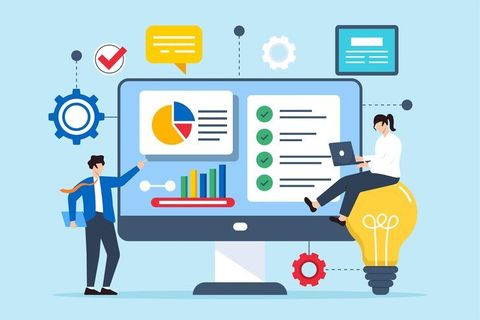
Start by building dashboards showing what your team actually needs to see. When info shows up as charts or graphs, spotting how the system's doing gets simpler.
Regularly Review Reports
From time to time, look through the check-up summaries to spot repeating signs. That way, tweaks can happen before things slow down.
Implement Threshold Alerts
Start by picking key numbers that matter - when they shift too far, a warning shows up. That way, trouble gets noticed early, well before it grows. Think of it like a signal flashing just as things start drifting off track. Catching hiccups fast means fixing them while small. Thresholds act as quiet watchers, nudging you when limits near. Before big headaches form, there is already a heads-up waiting.
Connect to other systems
Start by linking your monitoring software to analytics dashboards so insights flow smoothly across systems. A bridge to security platforms follows, pulling alerts into one shared space. This setup allows data to move without hiccups between separate tools. Information spreads wider when connections open up beyond single apps. One system talks to another, creating clearer pictures over time.
real life examples and use cases
E-commerce Platforms
When holiday shoppers flood a site, alerts from tracking software warn teams if servers slow down. Instead of failing under pressure, systems stay up because usage gets watched closely.
Healthcare Systems
Machines keep watch inside hospitals so vital programs like medical files and scanning tools run without fail. When something goes wrong, warnings pop up fast - fixes happen right away because of that.
Financial Services
When banks move money, they rely on tracking systems so everything runs without hiccups. A small glitch might lead to big trouble down the line.
Software Development Teams
When developers update software, they rely on monitoring apps to catch glitches while boosting speed. These tools help smooth out problems users might face along the way. Instead of waiting for complaints, teams spot issues early through live feedback. Performance tweaks become easier when real usage data is visible. Fixing errors quietly means fewer disruptions later. Updates roll out more reliably with constant oversight behind the scenes.
Challenges or Limitations
Complexity
Starting out might feel tricky when dealing with certain tracking software. Getting help through guides or learning sessions usually makes it easier.
Data Overload
Sorting through piles of information becomes tough when there is too much at once. What helps? Clear methods that cut out the noise before it builds up.
Integration Issues
Some tools fail to connect smoothly with current setups, leading to mismatched pieces. When one part does not fit right, the whole process stumbles along.
False Alerts
Too high or too low a limit can trigger false alarms, which slows things down and creates doubt. When warnings pop up without real cause, workers waste time checking what is fine. Mistakes in setup shift focus from actual problems to imagined ones. Clear signals get lost when noise increases from poor calibration. Attention drifts where it is not needed if thresholds are off.
Resource Consumption
When set up wrong, monitoring tools might slow things down because they use memory and processing power too. Their hunger for resources sometimes backfires on system speed.
Future Trends
AI-Powered Monitoring
Out of nowhere, smart systems are slipping into tracking software, offering guesses about future problems alongside self-fixing moves. These updates quietly handle glitches before they grow, shifting how oversight works behind the scenes.
Cloud-Native Solutions
When companies shift toward cloud setups, their tracking software changes too - built now for systems that live online. Cloud-based operations push these updates forward, shaping how oversight tools behave across digital spaces.
Enhanced Automation
Even so, machines doing tasks once handled by people will keep cutting down hands-on work while boosting how fast things get done. Though often overlooked, fewer humans stepping in means smoother operations over time. Besides saving effort, less human involvement tends to speed up results across settings. While some resist change, getting more out of less labor remains a steady trend. Still, the shift toward automated systems supports gains without demanding extra hours.
Real-Time Analytics
Insights grow sharper when analytics dig into how systems run, while user actions come clearer too. Performance patterns emerge differently through smarter data tools, yet behaviors show new shapes at the same time.
Integration with DevOps
Tools that track performance now often become part of how teams build and release software. These systems help keep updates flowing without long delays between stages.
Conclusion
Most digital setups need close watching just to keep running smoothly. Right now, tools track what happens inside machines so problems get noticed fast. These helpers watch everything without needing someone at the screen nonstop. When glitches pop up, teams fix things before bigger trouble follows. Knowing how they work makes it easier to choose smart ways forward. Strong habits around tracking mean fewer surprises later on. Good planning today keeps operations steady far down the line.
One day, machines might think like people - watching every click, every pause. When that happens, tracking software won’t just record data but guess what comes next. Instead of waiting for errors, fixes could start before anyone notices trouble. Learning how these systems work changes how teams respond to problems. Over time, slow apps may vanish because alerts spot hiccups early. People using digital services might never see crashes again. Behind the scenes, quiet updates adjust settings without asking. This kind of oversight shapes smoother workflows and fewer headaches.