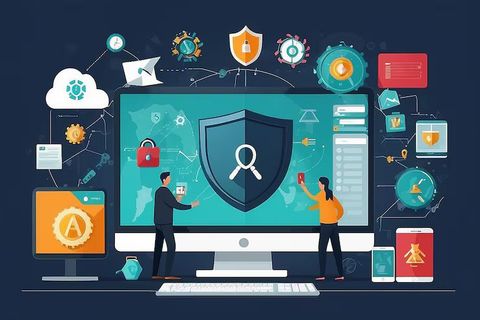
Cloud storage for companies does more than save documents on the internet - it enables teamwork, keeps information protected, because it builds resilience into daily workflows. A small team expanding fast or a global firm can benefit when file access becomes smooth while efficiency gets a quiet boost. With organizations moving deeper into digital change, knowing the mechanics behind these tools plus using them well matters simply due to how things operate now.
Enterprise Cloud Storage Solutions Explained?
Big companies use special online storage tools to keep their information safe and available whenever needed. These setups go beyond what regular people use at home because they have tougher rules for safety and legal requirements. One thing leads to another - when data grows, these systems grow too without breaking a sweat. Instead of working alone, they connect smoothly with other work programs already in place across departments.
Out here, information flows across scattered machines tucked inside climate-controlled rooms. Whenever needed, companies pull files straight from these remote hubs - no matter the time or place. Tools baked right into the system handle sorting, saving, restoring, even team edits behind the scenes.
Automation shows up often, yet so do terms like software or platforms. Tools matter just as much as systems when costs climb. Infrastructure pairs closely with cybersecurity, especially online. Data management fits into the mix, alongside cloud computing. Digital transformation weaves through enterprise tech. Solutions appear regularly, tied to rising value.
Benefits and Importance
Enterprise cloud storage solutions offer several advantages that make them essential for modern organizations.
Scaling up becomes simple. As information piles on, companies adjust space needs fast - no need to buy extra machines. Shifting resources this way keeps things running smooth while making room for future gains.
Security gets stronger when data is handled this way. Because of strict protocols like constant surveillance, coded transmissions, along with verification through multiple identity checks, private details stay shielded.
Wherever workers happen to be, they still reach their files and tools. This kind of access makes teamwork smoother, especially when people are far apart. Remote setups gain strength simply because distance stops being a barrier.
When something goes wrong, getting things running again happens faster thanks to automatic backups. Systems built for emergencies keep business moving by bringing back information without long delays.
Money saved matters too. Moving work online cuts costs for equipment, upkeep, because fewer people need to handle tech tasks on site.
Key Features and Types
Out in the real world, companies need space that grows with them - cloud setups deliver just that. One moment it’s file sharing, next it’s backup loops running silent in the background. Flexibility shows up early, sticks around. Some systems scale quietly while others shout about security. Needs shift, tools adapt - without making a scene. What matters sits under the surface: access, speed, control. Not every feature grabs attention; most work best when unseen.
Data Security and Compliance
Keeping information safe matters most inside big organizations. To guard data, online storage systems apply scrambling techniques, manage who gets in, while also sticking to worldwide rules.
Scalability and Flexibility
Storage needs shift - these setups adjust right along. Whether it is a minor task or something massive, they keep pace without skipping. One moment there is little required, next there could be ten times more; capacity flows like water. Work changes, so does space. Size does not matter here, control stays firm.
Integration Capabilities
Out of nowhere, cloud systems now link up with different business apps, so tasks flow smoothly while getting more done. A connection here means work moves faster without hiccups across programs used every day.
Automation Tools
When things like backups or updates repeat often, automation handles them without someone needing to step in. This kind of setup skips mistakes people might make by hand. Time gets freed up since the system runs these jobs on its own. Synchronization happens smoothly when linked actions follow a pattern automatically.
Enterprise Cloud Storage Types
Out there, companies hand off data control to outside firms who run shared spaces. When teams need room to move without heavy setup, this fits just right.
A single company uses private cloud storage just for itself, so it gets more oversight and protection. Perfect when rules are tight, such as in healthcare or finance.
Out in the open yet tucked away where it counts, hybrid cloud storage blends public access with private safeguards. One moment it's scaling up for busy times, then quietly securing data when needed most.
Running workloads across several cloud systems helps reduce reliance on just one company while boosting stability. Cloud choices spread out lower the risk if one service stumbles. Juggling more than one platform means operations keep moving even when part of the setup hiccups. Different providers offer varied strengths, so mixing them can balance weaknesses. Dependence shrinks when tools are split among separate environments.
Simple Ways to Get Things Done
Start smart when setting up business cloud storage - it takes thought, then steady effort. Try these real-world pointers to stay on track.
Picture what information you actually need. Get clear on whether it's files, logs, or records - how much there is matters too. Size shapes choices. Think about how private or exposed that info should be. Storage fits around those limits. Pick based on real traits, not guesses. What kind lives where depends on honesty up front.
Start by picking a system matching what you aim to achieve. Think through how well it grows, handles safety, connects with tools you use.
Start by setting clear rules for safety. Protection grows when encryption guards information, while limits on entry keep strangers out. Watching systems often helps catch problems before they spread.
Start by sorting information into clear sections. When items belong together, group them carefully - this makes finding things faster later on. Placed correctly, each detail saves time during searches. Mistakes drop when structure guides every step. Order shapes how smoothly work moves forward.
Start by showing your team how cloud tools work. That way they get comfortable fast. When people understand the system, things move without delays. Learning step by step helps avoid confusion later. Smooth use comes from clear practice early on.
From time to time, take a look at how much storage you're using - tweaking it can keep things running smoothly. That way, wasted space won’t slow everything down.
real life examples and use cases
Firms in different sectors often rely on large-scale online data systems. Storage through internet-based platforms shows up everywhere these days.
Most hospitals now store files online, keeping data safe plus meeting legal rules. Because of that, doctors reach needed info faster - treatment gets smoother too.
Finance firms rely on cloud systems for holding deal records while running instant analysis. Protection of private money details gets a boost through strong digital safeguards.
Out there, retail shops tap into cloud systems for handling stock details, buyer behavior clues, one alongside transaction records. With that comes sharper choices - also moments where service feels more like a fit than a guess.
Most tech firms build apps using remote servers instead of local machines. Work moves faster when steps run by themselves. These systems handle trials plus launching software without delays. Machines take care of repeated jobs so people can focus elsewhere.
Cloud platforms help schools keep student files safe while making it easier to run classes online. Because of this tech, learners and teachers share work smoothly across distances. With everything connected digitally, coursework moves forward without needing physical spaces. This setup supports group projects by letting people edit together in real time. Some systems even track progress so no one falls behind accidentally.
Challenges and Limitations
Even so, using big company cloud storage isn’t always smooth. Some hurdles pop up along the way.
Still, worries about keeping data safe pop up often - more so with private details at stake. Even though companies hosting online services pack solid defenses, firms handling info can’t sit back. They’ve got to build barriers of their own.
When the web goes down, getting what you need might stop. If signals drop, doing daily tasks could stall.
Moving data isn’t always straightforward - often it takes longer than expected, particularly when companies shift away from old setups toward online environments. Some face challenges simply because legacy structures don’t easily fit modern frameworks.
Facing rules isn’t always straightforward, especially when tight data laws shape how some fields must operate.
Watch the numbers closely when handling budgets. Even though moving to the cloud cuts hardware spending, poor habits in using resources might raise day-to-day bills instead.
Future Trends
Cloud storage for businesses evolves as technology moves forward. New tools push changes faster than old patterns hold on. Progress doesn’t wait - it shifts beneath the surface, quietly remaking what systems can do. What works today bends toward tomorrow without asking permission.
Cloud platforms now use artificial intelligence along with machine learning to improve how data is handled and tasks get done automatically. With these tools, systems offer sharper analysis while forecasting outcomes more accurately.
Out near the devices themselves, computation now happens more often. Because of this shift, information gets handled faster where it's created. Speed bumps drop away when tasks run nearby instead of far off in distant centers. Quick reactions become possible since delays shrink dramatically across live systems.
Now security tools are getting smarter as dangers online keep changing. Because of this, stronger coding methods plus faster warning setups appear everywhere. Hidden risks push these updates forward every day.
Folks pay more attention to sustainability these days. Because of that, cloud companies build data centers using less power. Their goal? Lower harm to nature while keeping services running.
Businesses will likely rely more on multiple clouds combined with hybrid setups. These approaches bring tougher backup systems along with room to adapt. Choices expand when networks mix like this. Flexibility shows up where operations need it most. Resilience becomes built into daily function over time.
Conclusion
Cloud storage built for companies now sits at the heart of how most businesses run every day. Because they can grow easily, stay protected, yet remain smooth to operate, handling large volumes of information feels less heavy. When teamwork gets better and operations keep moving even during disruptions, it's often these tools making the difference across different types of work environments.
When companies grasp how these tools work, what they offer, and where the hurdles lie, smart choices become possible - shaping stronger cloud plans. With tech always shifting, storing data at scale through cloud systems will increasingly fuel new ideas while backing efforts to modernize operations.