Most companies today lean on digital helpers - think time trackers, check-in programs, or web-based logs - to keep things moving smoothly day to day. With these tools around, logging work hours becomes simpler; clarity goes up, mistakes drop, and everything tends to run just a bit smoother. A mobile punch-in system, or something similar for staff sign-ins, keeps data solid so workers spend less time managing schedules and more time doing their jobs.
This piece dives into time tracking tools by showing what they do, how they help workers stay on task, yet sometimes slow things down. A look at their main functions comes alongside real world advice for using them well. While many enjoy clearer schedules thanks to these apps, others find them tricky to adjust to. New updates keep arriving though, reshaping how teams manage hours spent working. All of this adds up to a reason so many rely on such systems today.
Time Tracking Software Explained?
What if counting hours felt less like paperwork? Digital tools now log effort without sticky notes piling up. Instead of scribbling times by hand, programs run quietly in the background. These apps capture when you start, pause, or finish jobs across different assignments. Pencil marks get swapped out - entries update themselves automatically behind screens.
These tools come in various forms, including:
- Time tracking apps for individuals and teams
- Timesheet apps for logging daily or weekly work hours
- Attendance software for monitoring employee presence
- Online timesheet systems for centralized tracking
- Employee time tracking apps for managing remote or in-office teams
A firm could rely on software that logs when staff start and finish work, with people tapping their phones to record shifts. From there, the details get saved and reviewed so operations run smoother over time.
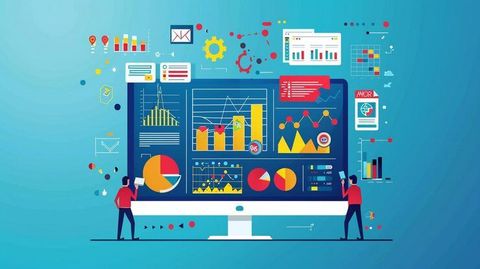
Tracking time helps see how work hours are used
Improved Productivity
What if seeing every minute laid out changed how work feels? Spotting slow parts in your day lets you shift energy toward what matters most. Instead of getting stuck, people find ways to move faster through tasks that drain hours. Watching patterns emerge reveals where effort goes - often not where expected. With clarity comes small changes, like skipping repeated steps or pausing distractions early.
Better Accountability
Now staff log hours using apps that track start and stop times. Oversight shifts smoothly into the background when systems run quietly. Workers own their schedules better once clocks record each shift. Supervisors check progress without constant follow-ups. Clear records replace guesswork around daily work patterns.
Accurate Record Keeping
Errors creep in when people log their own hours. When machines handle it instead, the numbers match up much better most of the time.
Enhanced Project Management
Managers find it easier to assign tasks when they can see hours logged instantly through digital tools. What shows up on screen helps them adjust workloads before delays happen. A clear view of daily effort means shifts in priorities stay manageable. Time data flows straight into planning, so guessing never enters the picture.
Remote Work Supported
Out of sight doesn’t mean out of mind - tracking tools keep remote work visible. Where people are matters less when their hours show up clearly. These apps sketch a picture of daily effort across time zones. Clarity grows once activity becomes something you can point to. Workflows gain honesty where distance might blur details. Seeing timing trends helps team leads adjust fairly. Location fades in importance next to consistent records. Effort turns measurable, which builds trust slowly. Patterns emerge only if someone is watching closely. Tracking isn’t about control - it’s noticing rhythms.
Data-Driven Decisions
Some today's tools include tracking systems so companies can shape choices around real results. How work actually goes becomes clear through these views.
Time Tracking Tools What They Do and Kinds Available
Time Clock Functionality
Most workers just tap a button when they start. That moment gets saved automatically by the system. When shifts end, another tap records it right away. Accuracy happens without anyone needing to type details. The record builds itself piece by piece through those actions. Each entry locks in place once made.
Track Tasks Projects
Tracking tools often let people link hours to certain jobs or efforts, which makes organizing work easier. When each task gets its own time slot, staying on track feels more doable. Focusing effort this way supports clearer progress checks later.
Automated Timesheets
Reports come together by themselves when the digital timesheet tool pulls info already stored. Time slips away less often because the work of adding things up gets cut way down.
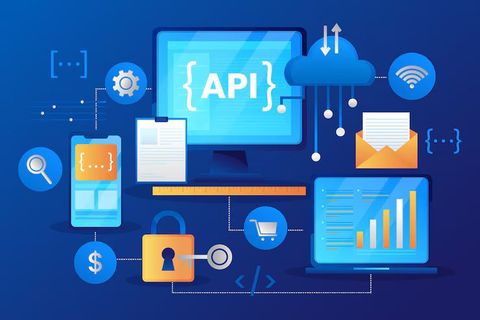
Connecting With Other Tools
Out of sync? Software today links up with payroll, hooks into project trackers, then ties messages together behind the scenes. Workflow flows smoother when pieces fit without forcing them.
Mobile Accessibility
Out in the field or logging in remotely, workers find it easier to track time using apps built for phones. These tools fit right into daily routines, wherever the job takes them.
Real-Time Monitoring
Right now, supervisors see what tasks are moving - spotting delays without waiting. That clarity speeds up how work flows through the system.
Practical Use Cases and Examples
Small Business Management
Out of curiosity, a small business owner tries a time tracking app to see how staff spend their workday. Reports later show when people get the most done - those moments shift into new schedule patterns. What follows is better timing across shifts, shaped by actual behavior instead of guesses.
Freelancers and Independent Workers
Working alone means keeping close tabs on hours spent per client. With tools that log work time, payments get lined up right. Staying on top of schedules becomes easier when every minute counts.
Remote Teams
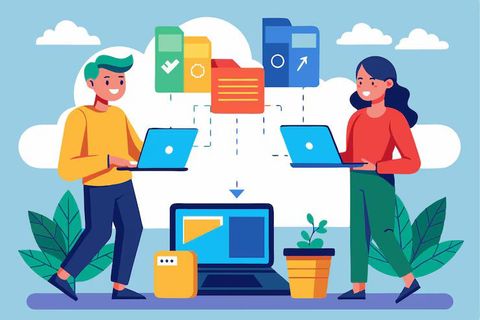
Some teams spread across locations rely on a tool where staff record their hours each day. Because people update it regularly, leaders can spot uneven tasks before fatigue sets in. This way, work gets shared more evenly without anyone slowing down.
making things and working on site
Out on construction lots or back offices, firms rely on time-tracking tools so staff can log shifts right where they are. These digital systems capture start and stop times with precision, no matter how many places a crew hits each day. Instead of paper sheets or memory guesses, workers tap phones or devices when arriving or leaving. Accuracy improves because timestamps come straight from the site itself. Every location gets its data fed into one clear record automatically.
How to Use Time Tracking Tools Well
Choosing the Right Tool
Pick something that works for you, maybe just basic clock-in software or perhaps a full web-based log setup instead.
Set Clear Guidelines
Start each workday by recording hours right away, so entries stay clear. Not waiting helps avoid mistakes later on. Timing matters just as much as the task itself. Entries made at day’s end tend to miss details. Consistency shows up best when routines lock in early. Accuracy grows stronger with daily habits. Waiting until Friday rarely works out well.
Encourage Transparency
Start by sharing why tracking hours matters - clarity grows when everyone knows the reason behind the system. People listen better if they see honesty instead of orders. A shared understanding forms slowly, then sticks. When motives are open, resistance fades without pushing. Trust builds not through promises but consistent actions. Cooperation follows where respect already lives.
Use Reports Regularly
Start by looking at what your time tracking tool shows. From there, spot patterns that stand out over days. Because insights hide in how tasks unfold hour by hour. When you see where delays pop up, changes become clear. So adjustments follow naturally instead of guessing. Work flows better once habits shift based on evidence.
Avoid Over-Tracking
Start by letting people do their work without constant oversight. Back up decisions with numbers instead of stepping in at every turn.
Train Your Team
Start by teaching each person clearly so they learn the system well. From there, practice helps build confidence step by step. After some time, mistakes become less frequent. When questions come up, answers should be ready nearby. With patience, using it feels more natural every day.
Challenges and Limitations
Resistance to Adoption
It might rub some workers the wrong way when oversight kicks in, particularly if nobody explains why it’s happening. Monitoring can seem odd without a clear reason behind it. People tend to question what they do not understand. When the goal stays hidden, trust sometimes slips. Not knowing leads to hesitation. A lack of openness often fuels doubt among staff.
Initial Setup Time
Getting a fresh setup running might stretch out, particularly if it has to link up with what you already use.
Data Accuracy Issues
Should someone skip logging hours or handle the tool incorrectly, details could turn inaccurate.
Over-Reliance on Tools
When machines handle most tasks, moments of imagination or teamwork might slip through the cracks. What feels human often gets missed by systems built for speed. Creative sparks usually come from unstructured exchanges, not programmed routines. Efficiency-focused setups rarely account for spontaneous ideas born in conversation. Heavy reliance on automatic processes may sideline how people truly connect and invent together.
What’s Next for Time Tracking Tools
AI and Automation
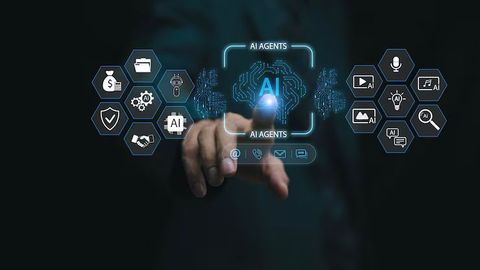
One day soon, programs that track hours might think like people, filling in logs without help. Smarter guesses about how time gets spent could show up automatically. Machines may notice patterns nobody sees, then adjust records on their own. Hidden habits in work life might reveal themselves through quiet analysis. What once took clicks and reminders could happen while you focus elsewhere. Learning from past behavior, these tools adapt quietly over weeks. Tiny adjustments add up behind the scenes.
Advanced Analytics
Predicting shifts in output might soon come built into more systems, giving companies a clearer view of future performance. Tools across different networks could start showing these patterns, shaping how teams plan ahead.
Connects With Productivity Apps
Most tools will plug into team apps without a hitch. Expect smooth links to chat and task systems as the norm. Hooking up workflows? That’ll happen quietly, every time. Systems talking to each other - just part of how things run now.
Employee Well Being Comes First
Work-life balance gets a new focus in today's setups - monitoring stretches beyond time logged, slipping into task load plus signs of strain. Systems now notice how much you do alongside how worn down things make you feel. Tracking shifts from mere clock counts toward the weight behind each assignment. Pressure points matter just as much as minutes spent. What fills your day shapes well-being more than tally marks alone show.
Cloud-Based Solutions
Out in the digital world, cloud setups keep leading the way - giving companies room to grow without heavy limits. Space on servers adjusts itself now, fitting small shops just like big corporations.
Conclusion
Nowadays, keeping tabs on how time gets used has turned into a solid way to stay organized and get more done - at home or on the job. Instead of just jotting down hours by hand, digital helpers step in. Whether it is basic timers or full web-based logs, such solutions smooth out daily workflows. They also make people answer for their tasks while revealing hidden habits in how effort spreads across projects.
Starting fresh each day helps some stay on track when tasks pile up. One tool that fits smoothly into routines might just cut down the chaos around deadlines. Without rushing through every hour, people often find moments they did not know they had. Though setup takes effort at first, sticking with it changes how work feels over weeks. Not everyone adapts quickly, yet results tend to grow quietly behind the scenes. After a while, what felt like extra steps becomes simply how things get done.