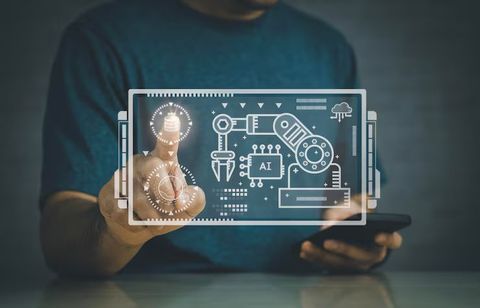
Most gains come when effort meets strategy, not just hours spent. If school keeps you busy, if starting something new feels messy, or if job demands pile up, small changes often shift outcomes dramatically. Tools that handle repeat tasks quietly in the background leave space for clearer thinking later on. Instead of pushing through fatigue, designing pauses into how things get done helps maintain steady progress throughout the day.
Start here if you want clearer ways to lift output - look into why it matters, what stands out, how things work in real settings, hurdles along the way, where developments might head. Aim stays narrow: build daily habits that keep efficiency growing without burning resources fast.
Performance Boosting Tips Explained?
Start strong by shaping your day around clear goals instead of endless tasks. Picture how small shifts in habit might quietly lift your energy when done right. Some find rhythm using apps that track progress without distraction. Others lean on routines that cut clutter from their workflow slowly over time. A quiet space can do more than people expect for sharp thinking. Watch how tiny changes add up if you stick with them long enough.
Most of these ideas come down to cutting out clutter, making steps smoother, one thing at a time. Take task apps - they keep track of what needs doing, while bots can take over boring repeat jobs. That kind of shift frees up space to actually think.
Most advice doesn’t fit everyone the same way. Depending on your tasks, space, and aims, changes might help more. Start by noticing what actually suits your rhythm. Shape habits that grow from how you really operate.
Benefits and Importance
Improved Time Management
What stands out most about performance-boosting strategies? A clearer grip on how minutes add up. Tools that lay out your day step by step help spotlight what matters first - skipping the wait-and-see approach. Missed deadlines fade when order takes over.
Increased Efficiency
When machines take care of routine jobs, time opens up for deeper priorities. Because tech moves fast, energy shifts where it matters most.
Better Focus Less Distraction
Something sneaks into today’s work tools - timers that lock in focus, settings that silence alerts. When noise fades, what matters most stays visible. Quiet shapes clarity more than speed ever could.
Enhanced Work Quality
Starting well means finishing strong - focus spreads wider when hours are used wisely. Attention grows deeper because clutter fades away. Results rise without pushing harder.
Reduced Stress Levels
Starting tasks early means less rushing later. When each step has its time, stress takes a back seat. Clear timing brings quiet confidence instead of chaos.
Features and Kinds of Productivity Systems
Task Management Tools
Work gets clearer when you can see what comes next. Deadlines show up right where they matter most. Reminders pop in just before things slip through. Keeping tabs on how far along a job is makes pacing easier. Priorities shift smoothly when changes arrive. Tools built for this sort of thing adjust fast.
Examples of features:
- Task categorization
- Progress tracking dashboards
- Integration with other platforms
Automation Systems
Tasks like entering data, replying to emails, or setting up meetings get managed by automation software. Because of this, people spend less time doing things by hand. Fewer hours go into routine work when systems run on their own.
Common use cases:
- Automated email workflows
- Data synchronization across platforms
- Scheduled reporting systems
Time Tracking Software
Spending minutes on tasks becomes clear when using timers that log activity. Because of this, weak spots in daily routines show up - making it easier to adjust schedules ahead of deadlines.
Key benefits:
- Better time allocation
- Performance analysis
- Improved accountability
Collaboration Platforms
Working together? Tools help groups stay in sync. Through them, messages flow fast, files move easily, one task follows another without pause.
Features include:
- Real-time messaging
- Shared workspaces
- Integration with productivity tools
focus and productivity apps
Focus gets a boost from these apps. Inside many of them, you’ll find the Pomodoro technique tucked away as a core feature.
Simple Ways to Improve Performance
Begin Each Morning Knowing What Matters
Start mornings by deciding what matters most. A tool for tracking tasks helps capture everything due. That cuts down on chaos while pointing toward progress.
A person who works could plan their day using an app that tracks when they meet, finish tasks, or need quiet time for deep concentration.
Automation saves time
Start by spotting chores that repeat every week. Software can take over once you know what they are. Think replies to messages, refreshing records, making summaries. Tools handle these without needing constant input.
A person who makes online content sets up automatic posts through tools that plan timing. By picking software designed for advance sharing, they line up updates without daily effort. This way, messages go live even when the creator is busy elsewhere.
Use the 80 20 Principle
Most outcomes stem from a small chunk of work. That idea lines up with the Pareto Principle - just one-fifth of activity drives four-fifths of what matters. Pick duties where movement shows fast. What shifts the needle? Usually it is few actions making bulk of difference.
A business owner focuses on top clients while skipping less meaningful tasks.
Minimize Multitasking
Doing too many things at once usually slows you down. Try handling just one thing per chunk of scheduled time.
Set aside an hour to finish one thing without stopping.
Improve Where You Work
Start tidy, think clearer. Out goes clutter, making room for what you need nearby. Every tool has a spot now waiting. Focus grows when eyes land only on work.
Wearing sound-blocking earphones helps you stay focused when it is loud around you.
Take Regular Breaks
Pausing briefly helps clear your mind while avoiding exhaustion. Working in chunks is advised by systems such as the Pomodoro technique.
After twenty-five minutes of work, pause five. Then go again.
Leverage Smart Tools and Platforms
Start with apps that handle more than one task - think calendars tied to messaging plus data tracking. Some fit together like puzzle pieces, making it easier to stay on track without switching screens. Tools like these keep everything under one roof while cutting down clutter elsewhere. Picking ones that talk to each other saves time later on. Efficiency often hides where functions overlap instead of staying separate.
A project manager works on a system where updates flow alongside assignments. Reporting shows up right there when messages go back and forth. Tools join together so tasks stay visible while talk happens nearby.
review and improve daily
When night comes, look back at what clicked, what fell flat. Slowly, your way of doing things gets sharper.
Changing your daily plan to match when you work best.
Challenges and Limitations
Over-Reliance on Tools
Most folks lean hard on apps and gadgets these days. Yet when routines bend only around screens, choices often lose their room to shift. A steady hand with tech means knowing when to step back. Letting instinct guide once in a while keeps things loose. Machines assist, sure - but they do not replace thought. Trusting your own mind matters just as much.
Learning Curve
Learning certain tools takes a while. At first, that tends to reduce how much gets done.
Distractions from Technology
Oddly enough, tools built to help you get things done might just pull your attention away with alerts and endless scrolling feeds.
Lack of Consistency
Sticking to speed-up tricks takes effort. If habits waver, solid plans can still fall apart.
One-Size-Does-Not-Fit-All
Some ways fail for certain people. Finding what fits might need patience, mixing different approaches slowly.
Future Trends in Productivity Optimization
AI-Powered Automation
Out of nowhere, artificial intelligence began reshaping how people get things done. Sometimes, it watches what users do, then quietly recommends tweaks - other times, it takes over tangled jobs without being asked. From there, workflows shift, not always loudly, but steadily.
Integrated Platforms
One thing leads to another - soon, tools will pack several jobs into one place. That means fewer apps cluttering up your screen. Instead of juggling separate programs, everything might live under one roof. Less switching around. More space to think. The setup just makes sense when you try it.
Personalized Productivity Systems
Tomorrow's software might shape daily routines by learning how a person works best. A tool could watch patterns, then adjust tasks around them instead of forcing change. Personal rhythms guide the plan rather than fixed rules. Habits become the blueprint, quietly shaping each suggestion behind the scenes.
Remote Work Optimization
Nowadays more people work from home, so better software shows up to help teams stay connected. Not just one kind appears - options grow through fresh ideas that fit different needs. Because distance separates coworkers, clever setups pop around to bridge gaps without fuss. These changes arrive quietly yet shift how messages travel across screens.
Focus on mental well-being
Out of focus times might shape how work tools evolve. These changes could protect minds while getting things done. Balance may quietly lead what comes next. Efficiency risks harm unless care stays close. Tools might start reflecting both speed and calm.
Conclusion
Start strong when chasing more done each day. A steady rhythm beats rushing every time. Mix useful methods with handy helpers to shift your routine. Small steps stick best over weeks. Work smarter by choosing what matters most. Energy counts more than hours on the clock. Progress grows quietly through repetition. Pick one change, then another. Results follow without burnout. Focus builds momentum others notice.
Start tiny instead of tackling all at once - small moves shape a routine that fits your life. Tools that automate tasks help just as much as smarter daily plans do. Each choice adds up differently toward getting things done.