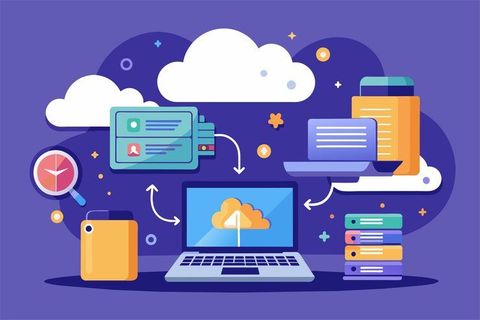
Most people now rely on digital tools just to keep up. When it comes to getting things done, timing matters more than effort alone. Apps that organize tasks help by laying out deadlines clearly - some even nudge you before a due date slips past. Picture one tool bundling calendars, alerts, shared spaces for teamwork, plus ways to follow progress step by step. Whether it is homework piling up or teams juggling client work, staying on track becomes easier when everything shows up in one place.
This piece dives into what matters most in task management tools - why they matter, what they do, how people actually use them, plus where they’re headed. Hidden inside are ways to get more out of them while sidestepping typical roadblocks. What works often surprises.
Task Management Apps Explained
Most people look at task apps to get how software helps sort daily work. A single place holds everything - writing down jobs comes first, then marking what matters most. Deadlines show up right there, tied to each item someone must finish. Watching things move from start to done happens inside these spaces too.
From manufacturing to daily routines, these tools help smooth out tasks while cutting down hands-on work. Built-in automation ties into teamwork functions, linking everything so things move faster without extra steps.
From basic checklists up through complex platforms, task apps include features like automated workflows instead of just tracking steps. Some handle reports along with data views while others stick to marking items done. Tools differ widely - simple ones list jobs, whereas heavier versions manage team processes using analysis layers built in. Complexity shifts across options depending on whether structure or speed matters more.
Benefits and Importance
Improved Organization
What stands out most about task management apps? Clearer structure shows up right away. Sorting jobs into groups happens easily, while checklists take shape step by step. Order forms naturally when steps follow a pattern instead of piling up loose ends.
Enhanced Productivity
One way to stay on track: seeing exactly what needs doing and when. Missed steps? Less likely, thanks to alerts that pop up at just the right moment. What falls through the cracks? Not much, once timing gets tightened.
Better Time Management
Starting off, task management tools help people use their time better by focusing on what matters most. One thing they do is let you line up jobs in order of importance instead of jumping around. Sometimes a delay happens, yet these apps reduce that chance through clear planning. Instead of guessing, users see exactly where effort should go next.
Working Together and Staying Aligned
Working together gets easier when team members can swap updates live through shared task boards. Updates flow fast because messages pop up right where work happens. Clear views of who did what show up automatically. Responsibility sticks since everyone sees each piece move. Progress stays visible, always.
Reduced Stress
With everything laid out clearly, the mind stays uncluttered because attention lands where it should - on doing the work. What matters shows up front, so keeping track fades into the background.
Key Features or Types
Creating and organizing tasks
Putting together a list of things to do comes naturally with due dates you pick yourself. One after another, certain apps let chores roll back around when they happen often. Deadlines stick better when importance levels get chosen too.
Automation Tools
When tasks get assigned automatically, follow-ups happen without someone having to step in. Less hands-on work means hours add up elsewhere instead.
Collaboration Platforms
Working together gets easier when tools let people chat, swap files, one moment someone shares a document, next thing you know others are editing it live. Updates pop up as they happen, so nobody misses what's going on. A message here, a note there keeps the whole group moving same direction.
Progress Tracking Systems
Tools you can see - such as dashboards or timelines - show how work moves, revealing slowdowns. Kanban boards lay out tasks so blocks become clear fast.
Connecting With Other Programs
Some task apps link up with email services, while others sync across calendars. Document tools often connect too, depending on the setup. Each integration works a bit differently behind the scenes.
Task Management App Types
- Personal productivity tools for individuals
- Team collaboration platforms for group projects
- Project management software for large-scale operations
- Workflow automation systems for process optimization
Simple Ways to Handle Everyday Tasks
Choosing the Right Platform
Start by picking something that fits what you need. When it's just you, basic options tend to do the job well. For group efforts, more complex systems often make sense instead.
Clear Goals First
Start by knowing your goal before opening the app. That way, arranging steps and routines makes more sense.
Prioritize Tasks
Start by tackling what moves the needle most. That way, hours spent match effort with outcome.
Use Automation Wisely
Start by using automated tools for routine jobs. That way, attention shifts toward higher-priority efforts.
Keep It Simple
Start by skipping the clutter in your to-do list. When something feels too big, slice it into pieces that feel doable. One step at a time works better than trying to swallow it whole.
Regularly Review Progress
Each day or week, glance at what you need to do so nothing slips. Stay aware of progress by reviewing tasks now and then. When things change, shift your approach a little. Plans work better when they can bend sometimes.
Encourage Team Collaboration
When working together, keep each person logging into the system so updates stay clear and steady across the group.
real life examples and use cases
Student Productivity
From morning till night, pupils keep tabs on homework through digital planners. These tools hold dates for tests alongside review timetables. With everything logged, staying on top of due times becomes easier. Missing tasks happens less when alerts pop up daily.
Small Business Operations
Folks running small shops lean on such tools when handling everyday tasks, keeping an eye on how projects unfold, while also making sure everyone on the crew stays in sync without hiccups.
Remote Work Management
Working apart means teams often turn to digital tools for keeping track of who does what. One person updates a list, another checks it later from halfway around the world. Updates happen quietly in the background while people do their work. These apps act like shared notebooks where nothing gets lost easily. Instead of meetings, there are notifications that nudge someone when time moves on. Distance fades when tasks appear clear and timed right. What used to need whiteboards now fits inside small screens.
Personal Goal Tracking
Some people tap into these tools to stay on top of their workout schedules, small everyday actions, because tracking progress helps. Others rely on them simply to keep big-picture aims within reach over months or years, since structure makes a difference when life gets busy.
Challenges or Limitations
Learning Curve
Getting used to certain high-end systems can take a while before they feel natural to operate.
Over-Reliance on Tools
When apps handle everything, adjusting becomes harder when things change. Unexpected moments test those who depend heavily on digital tools. Flexibility fades if solutions always come from a screen. Adapting suffers where app usage dominates daily actions.
Data Overload
When there are too many pieces added, things start overlapping. A crowded setup gets in the way of smooth operation. Clutter builds up until simple jobs feel heavy.
Integration Issues
Some tools struggle to connect well with different programs, causing hiccups in how work moves forward.
Consistency Problems
When updates lag, trust in the system slips away.
Future Trends
AI-Powered Automation
Smart computers now help organize tasks through learning patterns, guessing what comes next, then handling steps without being told each time.
Enhanced Collaboration Tools
Teamwork gets a boost when tools emphasize instant chat and shared workspaces. As time moves forward, staying in sync matters most. Not just talking but building together shapes what comes next. Communication flows better through live updates instead of waiting. Working at the same moment changes how groups solve problems. What matters grows where people connect without delay.
Works with smart devices
From kitchen speakers to wrist gadgets, task tools now link up with clever electronics so people can assign chores by speaking or tapping phone screens. Sometimes it happens fast, sometimes slow - voice notes turn into reminders without typing a single letter.
Advanced Analytics
Patterns in how people work become clear when numbers guide the way. When details shape decisions, tasks flow smoother than before. Seeing what actually happens helps shift routines toward better results. Numbers point out where time goes, making changes easier to spot.
Customizable Solutions
Personalization might pop up in more places as apps adapt to fit how people and companies actually work.
Conclusion
Start strong with how task management apps put clarity into daily work. Picture this: messy lists turn into clear steps, simply because structure shows up. A different rhythm happens when planning links to doing - progress feels reachable then. Instead of chaos, there is space to respond, adapt, especially alongside others. Watch deadlines shift from threats to checkpoints. What once felt scattered now moves forward, quietly. Even small wins gain weight when visible. Teamwork changes too - less guessing, more knowing who handles what. Behind every update, a quiet pulse of control grows. Personal goals sit beside team projects without blur. Order isn’t rigid here; it flows where needed. Time bends less when plans hold shape.
When people learn what each tool does well - or where it falls short - they start making better choices about which one fits their needs. Over time, as tech moves forward, these apps grow stronger, bringing sharper ways to handle work and schedules without extra effort.