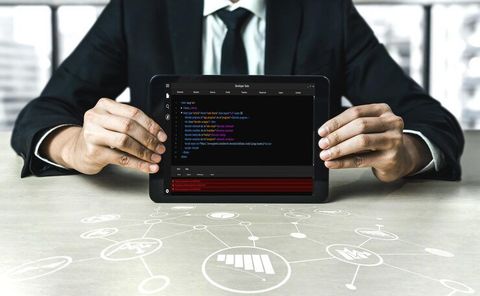
One way computers share information is by linking together using cables or radio signals. Devices like phones, laptops, workstations, and even household gadgets often join these setups. Sometimes it starts with just two machines talking, then grows over time. Getting how connections work makes learning easier when studying tech topics. People use this knowledge in schools, jobs, maybe fixing things at home too.
Years back, things started shifting when more people went online. Because of that, companies everywhere began upgrading how they connect machines and share data. Remote work tools pushed changes just as much as storing files on distant servers did. Security worries added fuel too. Better connections now mean fewer delays, fewer breakdowns, ability to grow without hiccups. Knowing how networks function matters today in fields you might not expect.
Starting out might feel tricky, yet basic ideas often make sense once they’re spelled out plainly. From routers to signals, each piece fits together - once you see how information moves through networks. Details unfold further on, peeling back layers of what keeps devices talking smoothly.
Who it affects and what problems it solves
Worldwide, people and organizations like schools, hospitals, factories, banks, news outlets, shipping firms, and tech developers rely on network systems. Information moves, tasks get handled, services stay linked - digital connections make it happen across almost all fields.
From offices to classrooms, machines talk through links built for moving data fast. Workers find what they need because pathways tie desks together across floors. Learning happens online when schools turn lessons into streams sent over connections. Hospitals keep information safe while letting staff exchange updates without delay. Factories run smoother since sensors report issues before breakdowns strike. Systems watch every step so nothing moves unless it should. Digital tools respond instantly once someone requests a change somewhere. Networks hold everything up by passing signals where they belong.
Communication delays often vanish when networking steps in. Slow, shaky data flow? That changes with solid connections behind the scenes. Sharing files gets smoother because everyone taps into one main hub instead of scattered sources. When links between devices work well, teamwork tightens up naturally. Digital spaces run better - timing improves, tasks sync, details stay within reach.
Growing isn’t just about size. When teams get bigger, more people start using tools at once. Systems must keep up without slowing down. Handling extra load means networks adapt on the fly. Performance stays steady even when demand spikes.
Most errors happen because people mix up how security works, how networks are set up, or what their internet speed allows. Using simple passwords, old equipment, unsecured Wi-Fi, along with misconfigured gadgets tends to weaken connections while opening doors to digital threats. When folks learn the fundamentals of networking, they start spotting problems earlier - this leads to smarter choices in daily online tasks.
Recent updates and industry trends
Still moving forward, networking tech saw changes last twelve months - automation took root, cloud links grew stronger, wireless rules got smarter. Across countries now, groups shift toward software-driven setups; these bring more room to adapt, make handling connections less tangled.
Cloud setups keep spreading through different fields, driven by more people needing off-site connections and flexible messaging tools. Because of this move, companies now lean heavily on mixed systems - part office gear, part online networks. Teams spread out geographically find it easier to stay in sync when operations run without interruption. What happens is smoother day-to-day function where location matters less than before.
Faster connections pop up everywhere these days. With better signals comes sharper performance across gadgets at home or work. Some networks handle tasks without hiccups where older ones struggled silently. Devices talk more smoothly, whether they’re cameras online or robots on factory floors. Even movie streams adjust quickly when signal quality shifts unexpectedly.
Still high on the list: keeping networks safe. Across the world, companies now lean on tougher encryption, layered access checks - along with smart alert tools that spot risks fast. Some setups even use AI-driven dashboards to watch traffic nonstop. These digital guards learn patterns, then flag odd behavior without waiting.
Tools that automate tasks keep changing how networks are managed. Instead of doing everything by hand, people now rely on programs that watch network performance, predict when parts might fail, notice issues early, plus give a single view of entire systems - cutting down errors along the way. Around the globe, companies update their tech setups fast; because of this shift, future networks will adjust themselves automatically, learn from patterns they see daily, link smoothly with new devices without extra setup needed later on.
Comparison of common networking approaches
One way networks operate isn’t always right for every situation. Look at how common setups stack up when it comes to features people rely on.
Speed of data travel tends to be much faster on wired setups. Whereas wireless versions depend heavily on how strong the signal happens to be. Connections through wires rarely drop or waver. But air-based links might stumble when interference shows up nearby. Putting things together demands running lines across spaces. Meanwhile, placing gadgets without cords allows room freedom. Dealing with tangled wiring takes regular attention. Tuning invisible signals becomes a routine need elsewhere. Growing the system means planning cable paths ahead. Adding new units feels less involved in radio-linked cases. Blocking outside access works well due to tangible barriers. Shielding open transmissions needs smarter digital locks. Moving around is awkward once plugged into fixed points. Roaming freely comes naturally with untethered gear. Power draw remains steady in hardwired situations. Battery life plays a role whenever devices go cordless. Setting up involves more hands-on work at first. Getting started skips some steps thanks to fewer parts. Working within large systems fits neatly using cables. Linking household tech runs smoother with broadcast methods.
Cables tend to win where rock-solid reliability matters most. When machines must talk without hiccups, many big operations stick with physical connections. Data hubs, sprawling server rooms, even factory floors - these places lean on wires since signals stay clean and speed stays steady.
Out in classrooms or living rooms, signals float through air instead of cables. Where people move around a lot, connections stay active without plugs. Offices often mix steady wires with open-air links on purpose. Performance gets a boost when both types work together somehow. Public spaces lean on invisible pathways so gadgets just link up naturally.
Regulations and practical guidance
Most of the time, network setups follow global rules meant to keep things working smoothly together. These shared guidelines make sure devices play nice, stay safe, happen reliably when talking to one another. Companies building gear or running networks lean on those structures. Consistency comes easier that way, whether it’s hardware or programs doing the work.
Still, safety demands grow when digital dangers sharpen. Most companies rely on scrambled signals now, though gatekeeping tools pop up just as often. Fire barriers stand guard between zones - yet split networks do their part too. Thoughtful preparation chips away at unwelcome entry points, even when leaks seem inevitable.
Looking at nature's impact matters more when setting up network systems. Some gear now uses less power, runs cooler, works longer without overheating - efforts add up across large facilities. Around the world, companies rethink how much juice their tech guzzles yet still keep messages flowing without hiccups.
Staying on top of software patches keeps things running smoothly. Watching network traffic closely spots issues before they grow. Writing down changes as they happen makes future fixes easier. Checking who can access what happens often enough to stay safe. Maintenance done regularly strengthens weak points across the system. Systems talk better when updates do not pile up. Planning setups ahead of time cuts down surprise outages. Fewer headaches come from knowing exactly how everything is built.
What works where?
Out of nowhere, small setups gain when using wireless networks - flexible placement comes through, along with smoother links between gadgets. Routers that do the basics, protected signal spots, even online-handled tools fit just fine where space is tight.
Out in big setups, wires often form the core while Wi-Fi gets guided smartly. Switches built for heavy duty work keep things moving smoothly alongside tools that watch traffic nonstop. Protection grows step by step using layers designed to handle more each time something shifts.
Most newcomers find it easier when using basic networking tools that have clear dashboards along with setup automation. Learning tends to improve through practice on training sites or programs that mimic real network behavior.
Professionals who’ve been around a while might find they need smarter ways to handle traffic, especially when teams are getting bigger. Systems that route data well can make a difference down the line. Automation pops up here, doing repetitive tasks without constant oversight. On top of that, watching network behavior through analytic tools brings clarity. One setup running everything from a single point helps keep things steady. Scaling smoothly often depends on how well pieces work together behind the scenes. Efficiency tends to follow when control stays unified.
Tools and resources
Tools exist that make networks easier to see and control. Some platforms show what is happening inside connections. Others track changes over time. A few let people adjust settings remotely. Each one works a little differently. Most combine features in unique ways. Few focus on just one task. Many adapt when systems grow. Several give alerts if something goes wrong. Not every tool fits each situation.
A packet sniffer called Wireshark helps spot issues in network data flow. Capturing live transmissions, it unpacks each layer for close inspection. When connections act strange, this tool reveals what lies underneath. Not magic - just precise decoding of digital chatter between devices.
A classroom tool built for exploring how networks operate. Step by step, it shows what happens when devices connect. Instead of real hardware, users experiment through virtual setups. Learning takes place while moving between tasks. Each scenario reveals a different part of network behavior. Following paths in the software helps spot patterns. Practice comes from adjusting settings and watching results unfold.
A single tool watches how networks behave every second. It checks speed, traffic flow, signals strength. This one tracks uptime, spotting hiccups before they grow loud. Problems show up fast here, clear and sharp. Data moves through it like a pulse reader. Every device gets scanned without pause. Alerts fire when something shifts off rhythm.
Nagios - Infrastructure monitoring platform that supports network visibility and maintenance management.
PRTG Network Monitor checks how much data moves across networks, keeps an eye on devices running, while recording speed changes over time. One moment it watches traffic flow, then shifts to spotting hardware status, all without pausing its log of resource behavior.
A tool called Nmap scans networks by spotting connected devices while mapping how systems link together. Devices appear one by one as it probes each point quietly across digital paths.
Out in the open, cloud management dashboards pull together views of far-flung networks. These tools keep an eye on linked systems from one spot. Scattered resources show up clearly through centralized control hubs. Watching everything happens smoothly when pieces connect under a single interface.
Frequently asked questions
What are networking basics in digital communication?
Communication between gadgets relies on core ideas behind linking machines digitally. Routers guide data while switches manage connections within local areas. Protocols set rules so devices speak the same language when sharing details. Instead of names, numbers called IP addresses identify each machine online. Wireless signals carry information without cables, using invisible waves through air space. Protection methods guard against intrusions, keeping networks safer by design. Learning these pieces reveals how technology works together behind everyday tasks.
How do wired and wireless networks differ?
Cables carry information from one machine to another in wired setups. Radio waves handle that job instead of cords when networks go wireless. One kind holds steady with dependable flow. The other allows freedom to move around without being tied down by wires. Stability meets flexibility where both types work side by side inside companies.
Why is network security important?
Communication networks need shielding from intrusions, viruses, broken data links, or service hiccups. Protection tools like coded messages, login checks, hidden barriers slow down digital weaknesses creeping in. When companies lean harder on remote servers and smart gadgets, guarding these links becomes unavoidable within network upkeep.
Can beginners learn networking without technical experience?
Sure, newcomers pick up networking step by step - videos help, interactive tools work well too, hands-on tasks seal the understanding. Some websites break down complex ideas into pictures that move, showing how data flows instead of just telling. Basics come first: plugging gadgets together, watching messages travel online, setting up Wi-Fi spots - these small wins stack fast. After getting comfortable there, harder gear and rules feel less like walls, more like next steps.
What future trends may influence networking technology?
One step ahead, networks could rely more on smart machines that learn over time instead of just following fixed rules. Automation might grow beyond basic tasks, weaving itself into how connections adapt day by day. Wireless signals may shift toward faster, leaner formats - think sharper reach without extra power. Cloud links will likely get tighter, reducing delays when moving data across distances. Edge computing is gaining ground - not everywhere at once, but where speed matters most. Watching network behavior in real time helps spot issues before they spread. Efficiency won’t fade as a goal; it might even shape hardware choices down the line. Energy use plays a role now, so tomorrow's setups could favor low-consumption designs by default.
Conclusion
Peeking under the hood of basic networking shows what makes digital chats tick at home, school, or work. Data moves around thanks to network tech, linking up cloud tools, Wi-Fi links, smart gadgets, and shields against online threats across global sectors. Grasping the essentials gives people clearer vision on how today’s info highways operate behind the scenes.
Solid network setups help things run smoothly, boost teamwork, allow growth, while also making data easier to reach. From tiny offices to massive corporate systems, the core ideas of connecting devices stay key to keeping communications steady and protected. When new learners grasp basic networking concepts, they handle tech choices and setup tasks with greater clarity.
Down the road, networks might shift more toward self-running setups powered by smart software, tighter cloud links, stronger defenses against threats. People and businesses across the globe could lean heavier on connected tools that value speed, adaptability, green operations, safety in data exchange.