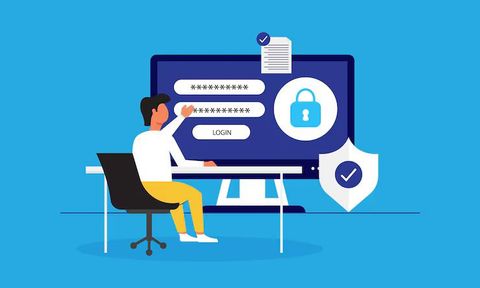
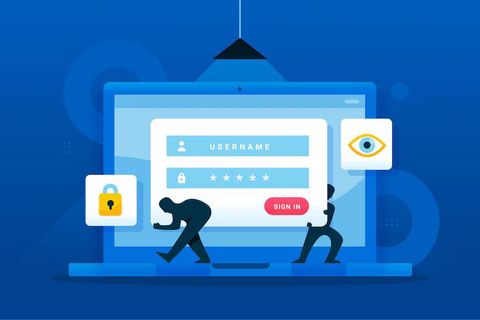
Most people keep passwords safe, yet mistakes happen. A second step at sign-in blocks strangers who guess them. Banking apps show how common this is becoming. Cloud tools work similarly these days. Email services guard messages using the very same method. Productivity programs follow along quietly behind. Personal logins gain strength through small changes like this one. Business networks depend on it more than many realize. Extra checks at entry points cut down breaches fast. Stronger ways to prove identity make harm less likely overall.
Step by step, modern tools for online safety now build in extra layers of login checks to guard private information. Not just companies but schools, hospitals, plus people working from home gain when access gets tougher to fake. Seeing what happens behind double-check sign-ins lets individuals choose better habits - ones that keep hackers out without slowing things down.
Starting off, this guide covers what two-factor authentication is at a basic level. Moving ahead, it looks into why people find it helpful without overstating results. Alongside that, several standout traits are laid out plainly. Shifting focus, real-world advice appears for setting it up smoothly. Later on, typical problems pop up with clear notes about them. Finally, upcoming shifts in online safety start shaping how login systems evolve.
Two Factor Authentication Explained?
Before you get into an account, someone might ask for a second check. That extra step - called two-factor authentication - is meant to make sure it really is you. Instead of just one password, there's another layer, like a code from your phone. This way, logging in needs more than memory alone. A mix of something you know and something you have helps block strangers. Security gets stronger when steps multiply across different types of proof.
Most of the time, you’ll find things like these at play:
- A secret only you should remember, like numbers for access. Sometimes it's words chosen long ago. A code made of letters might work too. Numbers alone can open doors if they're yours. What matters is recalling what others do not
- A physical item you own - like a phone or an app made for verifying identity
- Biometrics identify through physical traits, like using your face to unlock a device. A person's unique characteristics serve instead of passwords. Fingerprint scans replace typed codes often now. Facial patterns work by analyzing shapes around eyes and nose. Physical features offer personal identification without cards or keys
A second check kicks in with 2FA, unlike old-style logins that rely on passwords alone. Tougher for outsiders to break through since there’s another layer standing guard. Each attempt now faces a hurdle beyond just knowing a secret word.
Imagine typing your password on a bank website. Then, out of nowhere, a short-lived code shows up - maybe in an app or via text message. Only when that number matches does the door open. Entry follows successful confirmation.
When a password gets leaked, access still stays blocked because extra layers are required. Security improves since stolen credentials mean less on their own.
Two Factor Authentication Matters
Out of nowhere, hackers adapt faster than anyone expects. Year after year, stolen logins and fake emails drain trust from online spaces. Still, adding a second check when logging in blocks many break-ins before they start.
Better Account Protection
Should someone steal a password, getting into an account isn’t possible without that second step. Access stays blocked because another check stands in the way. Data tucked inside finance tools, messaging apps, or online file spaces remains shielded this way. A barrier beyond passwords keeps prying eyes out.
Less Chance of Identity Theft
Stolen login details usually kick off cases of identity theft. When hackers get hold of these, stronger verification steps can stop them cold before they gain access.
Stronger Business Security
Most workplaces rely on login systems to secure their networks, client records, one-off access points. Especially when workflows include automated programs alongside shared online workspaces.
Improved Compliance Standards
Security rules shape how different fields handle digital safety. Because of tighter controls, companies often adopt extra login steps to meet standards while lowering daily threats.
Safer Remote Work Environments
Working far apart means teams lean on digital tools, apps that help get things done, or chat networks. Because logins face more risks, using two-step verification helps block unwanted visitors. Sometimes safety grows when extra steps tag along during sign-in.
Common Forms of Two Step Verification
Security shifts depending on how you prove identity. Some ways feel smoother yet open wider doors to risk.
SMS Verification Codes
A message pops up on your phone once you type the password. Though lots of people rely on it, someone might hijack your number instead.
Authentication Applications
Out of sync with old methods, apps for login checks create fresh codes every few seconds. Unlike basic text message setups, these digital guards offer tougher security by design.
Most login tools run without internet, updating keys now then. This makes accounts harder to breach.
Email Verification
Getting into certain sites means checking your inbox for a login link or short-lived code. Though it feels easier, everything rides on how well your email stays protected.
Hardware Security Keys
A small device plugs into a computer using a USB port or pairs wirelessly to confirm who you are. Protection gets stronger when these tools guard important digital areas.
Biometric Authentication
Fingerprints, face scans, or eye patterns help these tools check who you are. Phones and company networks often rely on such methods today.
Modern Authentication Systems Key Features
Security tools today pack extra layers of defense while making access smoother. Built-in safeguards adapt to user behavior instead of just blocking threats. These systems balance safety with a simpler login experience. Smarter checks happen behind the scenes without slowing things down. Protection now moves beyond passwords alone.
Real-Time Verification
Codes made by login tools vanish fast, so strangers can’t sneak in later. These short-lived keys pop up just long enough to check identity before disappearing completely.
Device Recognition
When a device has been seen before, certain systems mark it as safe. Login tries from new places get watched closely by these tools instead.
Adaptive Authentication
Security settings shift when risks rise, devices behave oddly, or users move across regions. Sometimes it watches how a gadget acts, other times where it connects from. Changes happen quietly, without warning, guided by what feels unsafe. Location matters just as much as sudden spikes in usage patterns. Risk level tweaks the rules, slowly, almost invisible.
Cloud-Based Identity Management
Starting with cloud-based logins, handling access to various apps becomes easier. One login covers many services, thanks to centralized identity checks. Instead of separate passwords everywhere, a single system tracks who gets in. This setup reduces clutter while keeping control intact. Access flows smoothly when verification happens once, then applies widely.
Connecting To Business Systems
Fresh login methods hook into work apps, connect smoothly with team tools online, then tie together business control systems without hassle.
Examples of Two Factor Authentication in Everyday Use
Online Banking Security
Security steps stack up when banks protect money moves. A person might open an app check first, sometimes a fingerprint scan kicks in ahead of sending cash.
Social Media Account Protection
Some online networks offer extra login steps so hackers can’t easily break into profiles through fake websites or stolen passwords.
Corporate Remote Access
From front desks to far-flung teams, companies rely on tools that check who logs into their digital spaces. These setups guard entry points - like messaging apps or file hubs - especially when staff work outside the office. Access gets approved only after matching verified details. Remote connections depend heavily on these checks staying strong. Software hosted online follows the same strict sign-in rules.
Healthcare Data Protection
From hospitals to clinics, safeguarding medical data means locking down digital entry points with smart verification tools instead of simple passwords. Tougher logins keep sensitive files away from unauthorized users while allowing staff smooth access when needed.
Educational Platforms
Security tools pop up on college systems, locking down logins through web courses. Digital gates rise where learners click, holding entry tight across virtual classrooms.
Two Factor Authentication How To Use
Start strong by mapping out each step before turning on extra login checks. A clear plan matters just as much as daily care in keeping things safe. Jumping in without thinking leads nowhere useful when settings need precision. Staying sharp every day beats rushing at the start then fading later.
Choose Authentication Apps Over SMS
Most of the time, using an app to verify your identity works better than getting codes through messages. Though both check who you are, one handles threats more effectively.
Protect Backup Codes
When setting up an account, some services hand out backup codes. Keep them safe - loss of device means relying on those slips. A locked screen doesn’t have to mean losing everything. Hidden spots work better than digital copies. Physical paper beats a screenshot every time. Think drawers, not drives. Access fades fast when phones break. Those printed lines become lifelines. Safety grows where secrecy lives. Trust only what stays unseen.
Turn On Two Factor Authentication For Key Accounts
Prioritize enabling two-factor authentication for:
- Banking platforms
- Email accounts
- Cloud storage systems
- Business software
- Social media accounts
Keep Devices Updated
Patches in system software plus fresh security tools lower the chances of weaknesses being used by hackers.
Avoid Public Wi-Fi When Logging In
When you log in on public networks, someone might see what you’re doing. To stay safe, connect only through protected Wi-Fi for sensitive accounts.
Monitor Login Activity
Checking where you’ve logged in helps spot odd behavior. When you keep an eye on your account, safety online gets stronger. From time to time, strange logins show up - paying attention catches them early.
Problems With Two Factor Authentication
Even with stronger online safety, using two-step login can bring some difficulties. Yet extra protection doesn’t always mean smooth access.
User Convenience Issues
Frequent logins can make extra checks feel like a chore for some people. Still, those moments add up, slowing things down more than expected.
Device Dependency
When phones or security tokens go missing, logging in gets tricky. These gadgets back up identity checks across services. Without them nearby, getting into accounts slows down.
Phishing Attacks Still Happen
Some clever scams manage to fool people into giving away their security codes now and then.
SMS Security Risks
Messages sent by phone companies might get hijacked when someone steals a SIM card. A hacker could intercept codes traveling through standard texting networks.
Technical Compatibility
Some older programs just can’t handle modern login methods well. Built long ago, they often lack the structure needed for stronger security checks. While newer tools adapt quickly, these aging systems lag behind by design. Their framework resists updates that would allow smoother access controls. Over time, compatibility becomes a bigger roadblock than expected.
Even with its flaws, using two-step verification still stands out as a strong way to boost protection online.
What Comes Next in Login Methods
Built into tomorrow’s defenses, new ways machines confirm who you are keep shifting fast. Not just passwords anymore - methods like live behavior scans quietly take hold instead.
Passwordless Authentication
Fingerprints unlock some doors now instead of passwords. Devices check faces or special keys built into phones. These methods skip typing entirely. Trust comes from what you have or who you are. Logging in feels smoother without strings of characters. Some apps only accept these new ways. Security shifts when secrets vanish from the process.
AI security systems
Finding odd patterns in logins? Some security systems now respond by tightening checks without waiting. These smart tools adjust rules on their own when risks appear.
Behavioral Authentication
Midway through a session, rhythm of keystrokes might shift - software notices. A phone tilts differently in hand, sensors catch it. How fast menus get tapped adds another clue. Over time, these habits form a pattern only you make.
zero trust security models
Security checks never stop under today's shifting approach, since companies now treat each login like an unknown visitor. Access gets questioned again and again, even after first approval sticks.
Biometric Advancements
Faster, sharper, easier - biometrics now move smoothly into more online spaces. Speed bumps fade as tools adapt quietly behind the scenes. Precision grows without fanfare, step by steady step. Access opens wider, almost unnoticed, through everyday devices.
Smart Device Integration
Fingerprints unlock lights now, not just phones. Gadgets you wear check who’s wearing them before acting. Offices tie login rules into doors, desks, even coffee machines.
Businesses gain security with strong authentication
Out there, more companies now run on online tools, remote servers, or automated systems just to keep going. When login steps are too loose, hackers find their way in - quiet but damaging.
Two-factor authentication helps businesses:
- Protect sensitive customer information
- Secure enterprise communication systems
- Reduce unauthorized access risks
- Improve cybersecurity management
- Strengthen remote workforce protection
- Support regulatory compliance efforts
When firms deploy high-level security setups, they link login checks with tracking features instead of leaving them separate. Monitoring steps work alongside device shields through these frameworks. Cloud safeguards tie into the mix, strengthening defenses overall. Each layer connects without relying on a single point. Protection improves because pieces interact rather than act alone.
Long Term Cybersecurity Simple Steps
Besides using two-factor login checks, staying safe online means building stronger habits across the board.
Create Strong Passwords
Start strong by picking different codes every time - mix uppercase, lowercase, digits, then toss in special marks. A fresh sequence each go keeps things less predictable. Try bouncing between character types like hopping stones across water. Never recycle old entries; start blank instead. Confuse guessers through uneven patterns, odd lengths, sudden shifts mid-string.
Avoid Password Reuse
One login reused everywhere opens more doors than it should. When a single key fits every lock, trouble finds its way faster. Matching codes on different sites? That just hands problems a map.
Trusted Security Tools Used
Finding odd behavior is easier when security systems work well - protection gets stronger as a result.
Educate Users About Cybersecurity
When people learn what scams look like, they spot fake emails more easily. Sometimes a strange message shows up asking for passwords - training helps catch those fast.
Check security settings often
Staying safe online grows easier when login steps get refreshed, while checking linked gadgets helps too. Sometimes old access points slip through - fixing those gaps matters just as much.
Conclusion
Security today leans heavily on two-step login checks. Because online dangers keep changing shape, depending just on passwords fails to guard private data, company networks, or internet-based services well enough.
One more check makes it harder for intruders to reach private information. Instead of just passwords, tools like fingerprint scanners add a layer of safety. Apps that generate login codes change numbers every few seconds. Physical devices you plug in act like uncopyable digital keys. Even if someone steals your password, they cannot get past these barriers. Cloud systems now manage identities without storing everything locally. Faking who you are becomes far less likely with these methods. Security improves when access needs proof from different sources. Each method works differently but aims at one goal: keeping out impostors. Stronger defenses start with steps beyond simple sign-in forms.