These days, handling files securely matters more than ever because technology keeps changing fast. Not just companies but everyday users work with growing amounts of information on different gadgets and systems at once. Because of this shift, being able to reach files from afar helps teams stay active, adapt quickly, and keep things running smoothly across various fields around the globe.
Out in the open, hybrid work keeps spreading - this shift pulls focus toward staying secure online. Not just that, machines handling tasks automatically have become more common too. What stands out? Files needing to match up across devices, all while living safe in one main digital spot. Today’s tools pack strong locks for data, let you jump between gadgets smoothly. Access control gets smarter, backups run themselves without a nudge. Performance climbs when these pieces move together, quietly. Dependability grows behind the scenes, no fanfare.
Starting out might feel tricky when dealing with remote file access. Still, plenty of options come with clear layouts, easier control settings, one step at a time. Some grow smoothly alongside your needs - whether it is just you or an entire company. Next parts break down how everything connects, problems they solve along the way, where things seem headed worldwide.
Who it affects and what problems it solves
Out in the open, remote file tools touch nearly every sector worldwide. Schools pass around lesson plans through these channels, linking up classrooms online. Hospitals keep patient records moving safely thanks to protected networks. Developers stash code and updates together using shared hubs that everyone on the team can reach. Banks guard sensitive details by locking down their documents with encryption layers that never quit.
Working alone, collaborating online, studying deeply, or making content - each finds help here. When shifting between gadgets or spots, steady reach to files matters most. Jump into work without a clear way to grab documents? That leads to repeat copies, mixed-up updates, late tasks, and muddled steps.
Getting into private data without permission happens more than it should. Poor password habits open doors, while shared files sit exposed, leaving gaps across networks. Monitoring actions taken on documents adds a layer of control over who sees what. Encryption wraps data transfers in protection during remote exchanges. Tools built for off-site access apply checks that make break-ins harder.
Outdated document versions pop up when files do not sync across devices. Working off old copies can mess up coordination plus slow things down. Real time updates help keep everyone on the same page. Centralized control makes handling changes simpler.
Growing needs for data space trip up plenty of teams. Old on-site setups tend to get harder to handle as they age. Because cloud solutions allow room to grow, tie into automated tools, plus ease daily upkeep, handling tasks gets smoother down the road.
Recent updates and industry trends
File access from afar has changed a lot lately, pushed by the need for safer online teamwork alongside smarter, self-running processes. Across the world, companies now weave AI into their storage setups - boosting how they find files, sort them automatically, even anticipate where things should go.
Lately, keeping data safe has climbed to the top of the list when handling files online. Because of this shift, creators of programs now build in strict verification steps before granting entry. One way they do it is by requiring several forms of identity proof before allowing logins. Watching devices closely helps catch actions that seem out of place. Spotting odd behaviors early makes it harder for intruders to slip through.
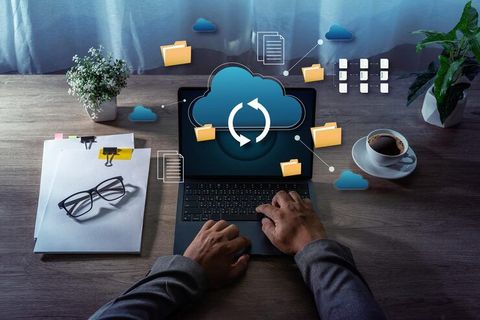
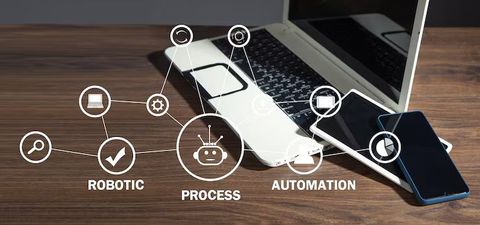
These days, cloud setups are getting smarter. Instead of just storing data, they work faster at syncing it across devices. Some tools adjust automatically when more users join, without slowing down. Others link tightly with office apps and company databases. Tasks like setting access rights happen behind the scenes now. Backups start on their own, based on patterns. Repetitive chores take less manual input than before.
Working well on different devices matters more every day. Thanks to updates, most current tools open files remotely whether you’re on a laptop, phone, or just using a web page. Because of that shift, groups spread around the world can stay connected without hassle.
Nowhere is the push for leaner operations more clear than in how tech setups are built today. Storage that wastes space? Fewer groups accept that. Instead, better use of servers shapes decisions - especially when picking where files live or which clouds get chosen. Power-smart data hubs matter just as much. Choices tilt toward what sips energy instead of guzzling it. Efficiency isn’t an afterthought - it’s part of the blueprint from the start.
Comparison of remote file access approaches
Some ways of reaching files far away work better for certain jobs, shaped by what the system needs, how it is built, one's safety rules. Though each method differs, its strength ties closely to purpose, setup demands, whether protection ranks high.
Cloud-based point cloud setups allow access from nearly anywhere. Not so much with on-premise systems, which often stay within company walls. Hybrids manage a middle ground when it comes to reach. Scaling up happens smoothly with cloud models. Physical hardware limits what on-site solutions can grow into. The mixed model adjusts more freely as needs shift. Automating tasks works deeply out of the box online. Local installations need extra work to automate at similar levels. Combination systems open doors to stronger automated workflows over time. Providers handle most upkeep for cloud platforms. In-house teams must maintain physical servers themselves. Both sides share responsibility in hybrid environments. Failover mechanisms make cloud services highly resilient. On-location stability lives and dies with local tech health. Merged systems benefit from better overall dependability. These cloud tools connect easily with many third-party apps. Private deployments may require custom-built links between programs. Middle-path options adapt well without full reengineering. Control over data sits partly with vendors in public clouds. Everything stays under one roof with self-hosted versions. A shared governance model defines the blended route. Safety settings are maintained by service operators remotely. Organizations take charge of their own protections locally. Security blends both worlds where infrastructures overlap. Getting started is quicker with ready-to-use hosted editions. Setting up private stacks demands longer planning phases. Mid-tier alternatives strike a balance in rollout timelines. Performance relies heavily on web speed for remote storage. Speed inside buildings depends on internal wiring quality. Adaptive response keeps hybrids responsive across conditions.
Most people now rely on cloud platforms since handling growth becomes easier, while upkeep of physical servers fades away. These setups shine when teams need to work together quickly, accessing tools from different gadgets without delays.
Still, some companies stick with on-site setups when they want full grip over their tech and data. Blended models grow common - not just for web access but also hands-on control where it counts, plus tailored safety rules.
Regulations and practical guidance
File access from afar needs to meet global work rules, safety norms, secure handling of info. Following worldwide known security models helps many groups keep systems steady, operations running smooth.
When files are encrypted, they stay safer. While stored or moving between places, scrambled data lowers the risk of outsiders getting in. To keep things under control, companies might check who accesses what, set limits by job roles, plus watch actions taken on sensitive materials. Watching user behavior helps catch odd patterns before trouble grows.
Something often overlooked? Regular backup routines matter a lot. When machines break, files vanish by mistake, or systems fall out of sync, automatic backups keep things moving. Every now and then, companies check who can see what - cleaning up old logins and shutting off access that should have ended long ago.
Nowhere near every system uses power wisely, yet cleaner designs are starting to matter more when building online networks. Machines running at full capacity, smarter ways to keep files close, or even clearing out old records - each cuts waste in its own way.
Most of the time, how people behave at work shapes how safe things stay. When tools get ignored - like weak passwords or sending data over shaky links - problems creep in fast. Training that sticks around helps habits form slowly but steady. Rules workers follow every day tend to make systems hold up better over months.
What works where?
Running a small operation? Cloud tools help by taking care of technical setup behind the scenes while making teamwork smoother even with just a few people involved.
Running big systems often means mixing central data hubs with smart software plus tight safeguards. One way to handle growth is by linking automated processes and shared drives under one secure roof. Sometimes, control stays strict where machines follow set rules across different locations. Growth needs room - space built on linked tech stacks that guard access well. How things scale depends heavily on unified setups doing heavy lifting behind scenes.
Most new users find it easier when tools offer clean layouts, step-by-step access controls, also automatic updates without extra steps. While getting started, a smooth layout helps more than complex features ever could. Fewer choices at first mean less confusion later on. Getting things set up right happens faster if the system adjusts itself behind the scenes. Guidance pops up just when needed instead of all at once.
Some seasoned workers might lean toward adaptable setups when they connect to data analysis programs, task management systems, or back-end operational software. Custom options often appeal where needs shift over time.
Tools and resources
Few software options help teams handle documents from afar while keeping work flowing smoothly - through simpler workflows or better connections across distances. Some platforms make it easier to update files on the move, especially when schedules shift without warning. Tools like these often adjust automatically, depending on who is using them and where tasks stand at any given moment.
- OneDrive by Microsoft keeps files in sync across devices while letting people work together on documents. Access happens smoothly whether using a phone, tablet, or computer. Changes appear instantly, so everyone stays up to date without extra steps.
- Cloud storage shows up in Google Drive, bringing tools for handling files online. Teamwork gets easier through shared access and real-time edits on documents. Features appear across devices, letting work continue without stopping. Collaboration shifts smoothly when feedback fits into the same space as creation.
- What stands out about Dropbox Business is its clear emphasis on organized file exchange. Synchronization happens smoothly across devices, keeping things aligned without extra steps. Management tools sit in one place, making oversight simpler for teams. Control stays firm through a central hub where changes apply everywhere.
- Security built in, so teams can move fast without worry. Workflows connect smoothly across tools people already use.
- Storage you run yourself fits right into Nextcloud, while tailored permissions give control a personal touch. With flexible setups, it handles how people reach files - differently each time. Custom rules shape who sees what, making boundaries clear without locking things down too hard.
- Citrix ShareFile works where safety matters most during file sharing. Collaboration stays smooth even under strict security demands. Files move without shortcuts when trust is nonnegotiable. Professionals rely on it behind closed digital doors. Security wraps every exchange like quiet armor.
- Apart from storing files on a local network, it lets users reach their data from afar. Built into the system, access from outside works just as smoothly as from within.
FAQ
What are remote file access tools?
Out here, tools for grabbing files from afar let people open, tweak, move, or organize documents using any device hooked to the web. Hopping between spots becomes smooth when storage lives online, updates flow automatically, who can see what gets locked down, and safeguards stay active. Work stays on track even at a distance since teams share materials easily, keep tasks moving, and handle paperwork from one hub - no matter the field or office setup. From start to finish, such setups make scattered work feel close, handling data needs without needing everyone in one room.
How do remote file access systems improve security?
Security gets a boost from today’s tech using scrambled data, extra login steps, watchful access logs, along with rules on who can see what. Plenty of services run silent backups by themselves while spotting odd behavior automatically. Fewer chances pop up for strangers to sneak in, files to leak by mistake, or daily work to stall. Still, companies must back this up with solid habits inside their teams plus training that sticks.
What is the difference between cloud and on-premise file systems?
Out there, cloud setups keep information using hardware handled by someone else. Inside your own building, on-site systems depend on machines you run yourself. Scaling up tends to go smoother with cloud options. Getting in from far away? That usually works better in the cloud too. When it comes to hands-on management of gear, local systems give more grip. Yet they also demand extra upkeep and watchful eyes. Mixtures exist - some outfits blend both styles. Flexibility grows when pieces from each world come together.
Are remote file access tools suitable for beginners?
Starting out feels easier now because most new tools come ready to use right away. Right from the first click, menus stay clear while tasks like file sharing happen almost on their own. Getting things set up takes less time since steps guide you through access controls without confusion. At first, just keeping files safe and letting others view them is enough for many people beginning. Later, when work grows more involved, deeper options open up naturally - like tracking data or connecting systems together.
What trends may shape the future of remote file management?
One step ahead could mean smarter AI woven into daily tools. Watch how security tracking evolves with sharper detection methods. Work steps might flow faster through refined automated systems. Compatibility between different software spaces should grow smoother too. A push toward greener operations is taking shape in many offices. Storing data across separate nodes gains traction slowly. Guessing what comes next in business tasks becomes easier with pattern-based insights. Far-reaching teamwork demands keep reshaping how access and size adapt. New layers appear where function meets reach.
Conclusion
Most workplaces now rely on remote file tools just to keep things running. When teams work apart, staying in sync matters - these systems make sharing safer by design. Handling growing amounts of data gets messy without structure, yet smart access setups cut through the clutter quietly. Security gains strength when control stays tight, even at scale. Smooth operations often depend less on size than how well files move where they need to go.
Picking a setup comes down to what tasks need doing, how systems must connect, safety needs, plus room to grow later. Not every place runs the same way - cloud setups work differently than local ones, while mixed models bring their own mix of results. Staying sharp means checking logs often, setting clear user rules early, then adjusting as things shift around you.
Soon enough, machines will handle more tasks, especially when smart systems start working together across different devices. Where people work matters less now that tools connect anywhere, anytime. On top of that, staying safe online means stronger shields go up around data and access points. Change moves fast, so paying attention helps everyone stay ready. As tech shifts underfoot, keeping pace makes all the difference.