When hackers get smarter, machines break down more often, yet people still lose files by mistake - old ways of saving information just do not keep up anymore. Hidden behind layers of protection, online storage uses smart tools that copy your work automatically while letting you reach it from any place at any time. Students juggle assignments across devices, workers share documents without carrying drives around, even shop owners track sales using these invisible vaults floating somewhere above ground level. Knowing what happens inside those remote servers helps anyone avoid disasters later on when storms hit or phones vanish into thin air.
This guide breaks down safe online storage using clear examples, showing how it works while exploring perks alongside possible issues plus what might come next.
Secure Cloud Storage Explained?
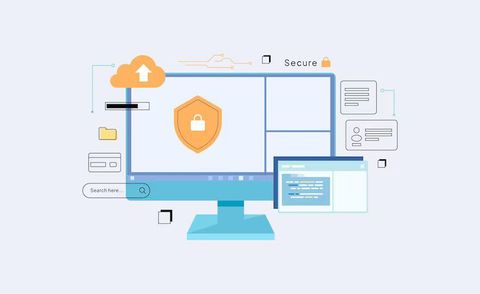
Out there, beyond your computer, sits secure cloud storage - data tucked away on distant machines looked after by tech companies. Safety comes through strong digital locks, built so outsiders cannot sneak in, files won’t vanish, or get scrambled by mistakes.
Out there beyond your computer, information floats inside digital spaces reached through web links. When someone sends documents into these zones, retrieval opens up later across gadgets - phone, tablet, notebook - if the net stays active. Arriving without needing cables or memory sticks, material waits quietly until called upon.
Key Components
- Cloud servers: Remote infrastructure that stores data
- Encryption tools: Protect data during transfer and storage
- Who gets in? Only those allowed. Access means permission first. Without approval, entry stops. Data stays behind gates. Gates open just once identity checks out. Checking happens every time. No exceptions show up here
- Backup solutions: Automatically create copies of data for recovery
Better Protection for Data Stored Online
Cloud storage now matters because it works how people need, stays up when required, plus keeps data safe. Not just for work but also daily life uses fit well.
1. Data Protection
Hidden away behind scrambled code, files stay shielded by layers of digital barriers. Should someone grab the data mid-transfer, it looks like nonsense without the right key to unlock it.
2. Automatic Backup Solutions
When things go wrong, having fresh copies tucked away helps. Most online services now include silent helpers that grab snapshots of your info at set times. These quiet updates mean mistakes or crashes won’t wipe everything clean. Files stay safe, even if the main system stumbles.
3. Accessibility and Convenience
Anywhere means access anytime, thanks to phones, computers, or tablets. Working together from different spots? Much smoother now.
4. Scalability
Storage online grows when you need it, skipping the cost of hardware. Instead of buying servers, people adjust space through a service. Needs shift, so does room for files - no extra machines required.
5. Disaster Recovery
When systems fail, nature strikes, or hackers attack, information can bounce back fast thanks to off-site backups stored online.
Real-Life Example
Every day, financial records get saved to the cloud without anyone needing to start it. When the office computer fails, information comes right back through the online system - work never pauses.
Cloud Storage Basics and Varieties
Cloud storage comes in many forms, each with unique traits that shape how people pick one. Picking what fits best often depends on knowing these differences up front. Some options work well for teams, others suit individuals just fine. Features can make a big difference when deciding. How data is stored matters as much as how it's accessed. Knowing details ahead of time leads to smarter choices down the line.
Important Features
1. End-to-End Encryption
Before leaving your device, data gets locked down so it stays protected on its way to the cloud server.
2. Multi-Factor Authentication (MFA)
Getting in means passing more than one check first. Before anything opens up, several confirmations must line up. Each step acts like a separate lock on the door. Only when all pieces match does entry happen. Multiple hurdles stand in place to slow down wrong turns.
3. Version Control Systems
One feature lets people see what changed over time. Files can go back to how they looked earlier. This works by saving each version step by step. Mistakes? Just pick an older copy. History stays clear, easy to follow. Reverting feels smooth when needed.
4. File Sharing Controls
Sharing stays safe through adjustable controls that limit who can view. Access narrows based on specific user limits set by the owner. Rules shape how files move, keeping them contained. Permission layers act like gates, only opening for approved people. Controls shift depending on needs, always guarding data.
5. Data Synchronization
Files stay current on every device as changes happen. Updates appear instantly, no matter which gadget you're using. Whatever edits made flow through immediately everywhere.
Cloud Storage Kinds
Public Cloud Storage
Run by outside companies, space split among several people. Good for everyday tasks along with keeping private files.
Private Cloud Storage
One group runs everything on its own setup, so it manages access tightly while keeping data safer. Equipment stays separate, giving more oversight without sharing resources across users.
Hybrid Cloud Storage
Public setups mix with private ones, creating a blend that keeps things both adaptable and safe.
Object Storage Systems
Fine-tuned to manage massive amounts of messy data - think videos, audio, or system copies. Heavy loads flow through without tripping up. Files pile high yet stay within reach. Storage bends but does not break under pressure. Loose formats find a home here, wild and untamed.
Secure cloud storage made simple
For better results with cloud storage, people often stick to smart habits. One thing helps another when routines stay consistent. Doing things right tends to show up in how smoothly everything runs. Simple steps make a difference over time. Following through matters more than rushing ahead.
1. Use Strong Passwords
Start strong - each password should be a puzzle only you can solve. When one gets old, swap it out without waiting. Same code everywhere? That is like locking every door in town with the same key.
2. Enable Multi-Factor Authentication
Start by turning on MFA - it blocks unwanted logins more effectively. A second checkpoint slows down intruders every time. Think of it as a lock that needs two keys at once. Skip single passwords when stronger options exist. This step cuts risk without slowing you down. Done right, it stops most automated attacks cold.
3. Regularly Monitor Activity
Watch the record of actions tied to your account so odd signs show up fast. Early spotting helps when something feels off without waiting too long.
4. Organize Data Efficiently
Start by sorting documents into labeled sections so finding them later takes less time. A clear title for each group makes everything easier to spot down the line.
5. Encrypt Sensitive Data
Security gets stronger when extra encryption tools are used, even though the platform already offers encryption.
6. Choose Reliable Platforms
When picking a place online to store files, choose one where safety rules are clear. Protection matters most when it comes to keeping data private. Look closely at how well companies follow official requirements. Speed and reliability should stay steady over time.
Practical Use Case
From any device, a student reaches saved papers, tasks, or study material online. With backups that run themselves, everything stays current without extra steps.
Challenges and Limitations
Even with its benefits, putting files in secure online spaces brings some hurdles worth thinking about.
1. Internet Dependency
Without steady internet, cloud storage stops working well. When connections drop, pulling up files becomes hard.
2. Data Privacy Concerns
Putting information on outside servers can make people uneasy - safety feels less certain, oversight slips away.
3. Security Risks
Even when cloud services run on sophisticated safeguards, breaches might happen - especially without careful oversight.
4. Storage Limitations
Storage space might be limited, based on which platform you're using. File sizes could hit a ceiling, tied directly to the underlying setup.
5. Migration Complexity
Finding ways to shift big volumes of information into online platforms often takes a while, also demanding skill. Cloud transfers aren’t quick when files pile up, yet they depend heavily on know-how.
Secure Cloud Storage Future Trends
Still moving forward, cloud storage changes as fresh tech shows up. New ideas pop in, shifting how things work behind the scenes. Tools adapt without making a big announcement. Each step comes quietly, shaped by what happens next. Progress sneaks in through small updates instead of loud launches.
1. AI-Powered Security Systems
Cloud platforms now use artificial intelligence to spot dangers, handle reactions automatically, yet boost how well information stays safe.
2. Zero Trust Architecture
Security works by checking each request one at a time, no matter where it comes from, making the whole setup harder to breach.
3. Edge Computing Integration
Far from big centers, computation now happens near where data begins - speed bumps fade when steps shrink. Closer ties between origin and analysis mean quicker results without long waits.
4. Blockchain-Based Storage
Out there, some folks are testing blockchain to build storage that’s not controlled by one group - more open, harder to tamper with. A different kind of setup spreads trust around instead of stacking it in a single spot.
5. Green Cloud Solutions
Cloud systems built to last are becoming more central, emphasizing lower power use while cutting harm to nature
Conclusion
Out in the digital world, keeping files safe often means using online spaces built for protection. These spots grow as needed, stay steady under pressure, one moment they’re holding spreadsheets, next thing you know - videos, logs, archives. Housed behind locked code walls, data slips into hidden form before it travels, reappears only when allowed. Machines copy everything without being asked, again and again, just in case something vanishes. Old ways? Hard drives failing overnight, tapes lost in closets - they fade more each year, replaced by setups that watch, adapt, respond.
Still, thinking about privacy and how much we rely on the web matters just as much. When people pick a solid cloud service and stick to smart habits, getting the most out of it comes naturally.
Tomorrow’s digital world leans on stronger cloud storage, shaped by progress in artificial intelligence, shared ledgers, and online computing networks. Knowing how it works now gives people an edge when choosing safer ways to keep information. What you learn today shapes how well your files stay guarded later.