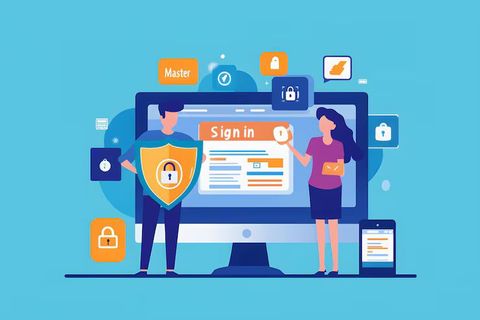
One master key unlocks them all - password managers handle the rest. These tools keep logins safe, sorted, not scattered across sticky notes. A single strong passphrase grants access instead of dozens cluttering your mind. As online dangers grow sharper, so does the need for better defenses. What once felt like a shortcut now stands as a necessity.
Starting off, this guide covers everything about password managers - what they do, how they help, why features matter, along with real-world applications and where things might go next. If passwords fall under your responsibility, be it for personal use or company networks, getting familiar with these tools boosts both security and daily operations. Then again, clarity on function often leads to smarter choices.
Understanding Password Management?
Storing passwords safely happens through tools made just for that job. These apps keep login details neat while making them easy to find later. One such helper does it all - organizing, saving, holding tight when needed.
A secret code keeper holds every username and passcode inside a locked space, scrambled tight. Only one main key or your fingerprint unlocks it. Some helpers go further - they slide those details into place online without you typing. Locked away yet ready when needed.
From phones to laptops, these tools keep login details organized in one place. Because of that, staying secure feels less like a chore. Without them, juggling passwords might slow you down. Still, with everything synced, access stays smooth. Not only do they store data safely, but updates apply everywhere at once. That way, weak habits have fewer chances to slip in.
Password managers help store and organize login details securely
Enhanced Security
Security gets better when using password managers. Creating tough codes for every login happens automatically, so chances of being hacked drop. These codes combine random characters - letters, digits, strange marks - in ways people rarely think up themselves.
Time-Saving Automation
Typing less happens because password tools fill boxes on their own. Work moves quicker since you skip repeated entries each time. Efficiency grows when the system handles logins instead of fingers doing it.
Protecting Information from Unauthorized Access
Breach alerts pop up when login details surface online - some apps now watch for that. Spotting leaks fast means changing passwords before trouble starts.
Centralized Storage System
Kept safe inside a single system, every password lives protected. Without having to rely on scribbled paper or open files, recalling each one becomes unnecessary.
Improved Productivity
Working across many tools gets easier when passwords stay organized. Sharing logins safely means coworkers see what they need - nothing more.
Key Features and Types of Password Managers
1. Encrypted Password Vaults
A locked storage space sits inside each password tool. Because of strong coding methods, your information stays safe there.
2. Password Generator Tools
Instantly, a few taps bring up fresh passwords - automatically made through tools baked into most apps. These helpers craft something tough to crack instead of relying on memory or guesswork.
3. Autofill and Auto-login
Logging into sites gets quicker when these tools fill your info without mistakes. What happens is they step in right away, placing data where it belongs across apps and pages.
4. Multi-Device Synchronization
Besides holding passwords securely, these tools update them on phones, tablets, computers - access stays smooth whenever needed.
5. Biometric Authentication
Built-in sensors let certain devices unlock using your face instead of a password. Others rely on touch-based scans that match unique ridge patterns.
6. Secure Sharing Solutions
Sharing secrets stays safe when groups pass keys without showing them. Hidden details move between trusted circles smoothly. People swap access through protected paths that keep info private.
Types of Password Managers
Cloud-Based Password Managers
Anywhere you happen to be, these systems let users reach stored information through protected online storage spaces. Convenience hooks many people, while room to grow keeps them around.
Local Storage Password Managers
Storing information straight onto hardware defines how these apps work. Though users gain tighter oversight, reaching files from different machines can be tricky.
Browser-Based Password Managers
Built right into your browser, they’re straightforward to operate yet often fall short when matched against specialized tools on protection features.
Business password management tools
Businesses use these systems because they come with strong safety settings, ways to manage who can enter, also tools that help groups work together smoothly.
Using Password Managers Made Simple
Select a Secure Master Password
Start strong - your master password unlocks everything inside the vault. Go longer, pick something odd, make it tough to figure out. Stay clear of names, birthdays, anything about you. One slip could open every door.
Enable Multi-Factor Authentication
Should someone get hold of your main password, having a second safeguard still keeps everything locked away safely.
Regularly Update Passwords
Start fresh by swapping out outdated or shaky passwords now and then. That move lowers chances someone gets in without permission.
Organize Your Vault
Start by sorting your login details into groups. Some apps let you label items, while others work with folders instead. That way, finding what you need takes less time.
Secure Sharing Options
Sharing access? Stick to the platform’s own tools rather than slipping passwords into texts or inbox notes.
Real-Life Use Case
A single tool holds every login for someone running a small company across many apps. That person skips juggling endless codes by keeping them locked inside one spot. From spreadsheets to messages, each site opens fast because everything updates on its own. Security stays strong even when hopping between gadgets during busy days. Speed comes without sacrifice since sync happens behind the scenes.
When juggling online classes, emails, or research sites, having fewer login hurdles helps learners stay focused while staying safer. A single smooth way in cuts confusion without weakening protection.
Challenges and Limitations
Reliance on Master Password
Forgot the master password. Getting back in might be tough. Certain setups have a backup path. Others do not. Access could stay locked.
Security Concerns
Even so, hackers might still aim at password tools despite their safety features. Picking one with strong feedback from users matters a lot.
Learning Curve
At first glance, setting up a password manager might feel a bit tricky for someone new. Getting used to how it works takes a little time here and there. The steps aren’t always obvious right away, yet they become clearer with practice. Some confusion can pop up early on, though things settle once familiarity grows.
Compatibility Issues
Older systems might struggle with certain tools that fail to run smoothly on every device or platform.
What’s Next for Password Tools
Passwordless Authentication
Fingerprints, face scans, or special devices might soon replace typed codes. Moving away from old-style passwords becomes easier with these tools.
AI-Powered Security Systems
Now security tools are starting to use artificial intelligence so they can spot strange sign-in patterns. When odd activity shows up, the system steps in before outsiders get through.
Connecting With Cybersecurity Tools
These tools now fit into wider online safety networks, connecting with virus scanners while also teaming up with personal data shields.
Advanced Encryption Technologies
Every now then, fresh ways to lock down information appear, keeping details safer over time through stronger shields. Though old methods fade, replacements rise quietly, built to last against growing threats. As risks shift, so do the codes guarding what we store and send. These updates move behind the scenes, yet shape how well secrets stay hidden.
Cross-Platform Ecosystems
One thing leads to another when gadgets start talking to each other more smoothly. Tools down the road might just flow between phones, computers, and apps without tripping up. A smoother ride could come from systems that actually get along. Jumping from task to task may feel less like hopping fences. What happens next? Less friction, maybe even some quiet satisfaction.
Conclusion
These days, skipping good password habits just isn’t realistic. As hackers get sharper and people collect more logins, leaning on a solid tool to store passwords makes guarding personal info far easier than doing it by hand.
Security meets ease through smart design - automation handles tasks while encrypted data lives safely in one place. Though hurdles exist, gains crush the downsides every time.
Most people do not realize how much safer they could be just by using a tool that stores passwords securely. Yet once someone starts organizing access codes properly, small habits begin adding up to strong protection. When software updates happen quietly in the background, confidence grows without needing constant attention. Over time these tools adapt, learning new ways to guard information before risks appear. What feels like simple convenience today might prevent serious problems tomorrow. Systems keep shifting, nudged forward by smarter methods nobody saw coming at first.